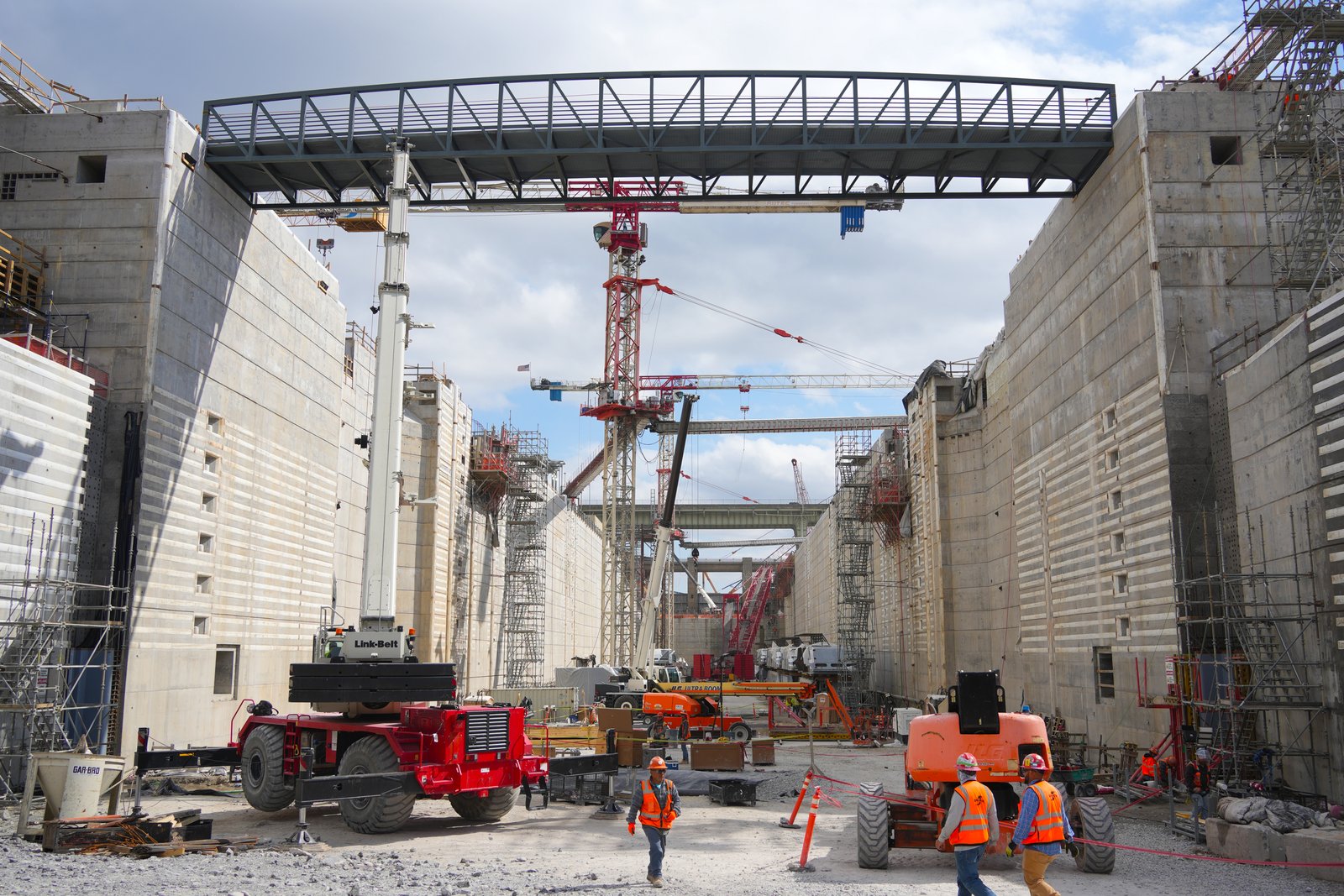
A contractor who prices a performance bond only by its premium can miss the larger exposure: a surety may pay to finish the job and then seek reimbursement. In the illustrative case below, a $10,000 premium coexists with a $150,000 completion shortfall.[1]
The premium belongs in the bid. The possible repayment belongs in the downside case. Confusing those two figures can make a construction business appear better protected than its agreements actually allow.
Source check: September 19, 2026. This is a hypothetical U.S. construction scenario. All dollar amounts are assumptions or arithmetic, not market quotes or figures from an actual bond claim.
Follow the promise before following the money
A performance bond connects three parties. The contractor is the principal, the project owner is the obligee, and the surety guarantees the contractor's bonded performance. The owner receives the protection. A separate indemnity agreement gives the surety rights to recover losses from the contractor and any other parties that signed as indemnitors.[1][4]
That distinction explains why the contractor can pay for the bond and still face a bill when it is used. The premium purchases the surety's undertaking to the owner; it does not, by itself, release the contractor from responsibility.
Performance and payment bonds also solve different problems. The SBA describes performance bonds as securing contract completion and payment bonds as securing payment to suppliers and subcontractors.[5] Our example isolates completion costs. Unpaid supplier claims would require their own analysis.
The remaining work has a new price
Assume a contractor wins a $1 million contract and pays the illustrative premium above. Later, after a valid default and termination, $400,000 of the contract price remains unpaid. Assume all of that balance is available for completion, the bond covers the default, and its limit is sufficient.
A qualified replacement contractor offers to finish for $550,000. The scope is unchanged, but the price of delivering the unfinished work now exceeds the money left in the contract.
The resulting shortfall is straightforward: $550,000 minus $400,000 equals $150,000.
The National Association of Surety Bond Producers describes this tender arrangement: the owner and surety agree on a replacement contractor, and the surety funds the price above the remaining contract balance.[2] Those contract funds and the surety's contribution together pay for completion.
The original premium is a separate cost. Under the assumed indemnity agreement, the surety can seek reimbursement of its completion loss. That makes the shortfall an additional potential obligation for the contractor, subject to the agreement and applicable law.[1]
Our arithmetic excludes claims expenses, delay damages, payment-bond losses and recoveries from other parties. Those exclusions keep the mechanism visible; they do not establish a ceiling for an actual claim.
Three paths from the same unfinished site
Completion without default. If the original contractor finishes within the available budget, the modeled replacement-cost shortfall never arises. A late milestone does not automatically trigger payment: the surety investigates the alleged default before deciding its response.[2]
Replacement after default. If the assumed tender proceeds, the project obtains a route to completion while the contractor faces the separate indemnity exposure. The economic mistake would be to count the surety's contribution as a permanent subsidy to the failed contractor. The repayment claim and the ability to collect it are different questions.
Cash pressure before the final bill. Some indemnity agreements allow the surety to demand collateral against potential claims and expenses before the ultimate loss is settled. NASBP's explanation of these provisions shows how the timing can accelerate a contractor's cash needs. Whether such a demand is available depends on the signed language and its enforceability.[4]
That third path matters even when a contractor disputes the owner's allegations. A reserve for a possible future expense and cash that must be posted today have different effects on payroll capacity. In a stress scenario, cash tied up on one troubled job leaves less room to operate the others.
The counterweight: the bond can preserve value
The strongest argument for bonding is commercial access. The SBA notes that many public and private contracts require bonds, and its guarantee program helps qualifying smaller businesses obtain them.[5] For a contractor, avoiding the premium may mean losing the opportunity to bid at all.
A surety can also help a struggling contractor complete through accounting support, technical assistance or financing, as NASBP describes.[2] In our scenario, keeping the existing team working could avoid replacement disruption. That potential saving gives the surety's involvement value before any completion claim.
The other counterweight is the money already committed to the project. Federal Acquisition Regulation 49.404 provides a concrete example: in a federal takeover agreement, the government pays the completing surety's costs and expenses up to the unpaid contract balance, subject to specified conditions. It also recognizes competing claims to unpaid funds, including situations involving a financing institution.[3]
Consequently, the ledger balance alone is insufficient. Our model assumes the remaining funds are available for completion. If they are tied up or disputed, the same replacement quote can require more financing than the simple subtraction suggests.
The falsifier for the modeled completion-loss case is a binding arrangement that covers all remaining work from available contract proceeds, with no other covered costs. Under that condition, the assumed shortfall disappears. The useful variable is the gap between an executable completion price and accessible project funds.
Three events should test that gap:
- Before the bond and indemnity agreement are signed: identify who promises reimbursement, which expenses are covered, and whether collateral can be demanded before a loss is finalized.[1][4]
- At the next monthly work-in-progress review: compare a fresh estimate of the unfinished work with collectible, uncommitted contract proceeds. Recheck which funds a lender or another claimant may control.[3]
- When a default notice or completion proposal arrives: establish the bond's response conditions, obtain a credible completion price, and confirm how the remaining contract funds will be applied.[2][3]
Sources
- Travelers, “Understanding the Three Parties in a Surety Contract” — principal, obligee, surety and reimbursement through an indemnity agreement.
- National Association of Surety Bond Producers, Answers to 30 Questions Architects Ask About Contract Surety Bonding, questions 23–28 — assistance before default, claims investigation and completion options, including tendering a replacement contractor.
- Federal Acquisition Regulation 49.404, “Surety-takeover agreements” — unpaid contract funds, completion costs and competing claims in federal contracting.
- Martha Perkins, “The Surety's Right to Demand Collateral Security,” NASBP Pipeline, September 1, 2016 — indemnity provisions, collateral demands and differences among agreements and jurisdictions.
- U.S. Small Business Administration, “Surety bonds” — contract access, SBA guarantees and the distinction between payment and performance bonds.
- Michael Davis / U.S. Army Corps of Engineers, Nashville District, “USACE hosts prospective contractors for Chickamauga Lock home stretch,” March 4, 2025, DVIDS photo 8899646 — documentary construction photograph and provenance.