The premium for non-recourse factoring buys protection against specified payment failures. Treating it as a complete transfer of invoice risk overprices that protection: a dispute over the goods can still leave the supplier exposed.[1][2]
For a manufacturer, the difference emerges after the delivery van has left. The customer might run out of money, or it might reject the stitching. Both events interrupt collection. They need not produce the same result under the financing agreement.
Sources checked on 2026-11-02. The sterling amounts below are hypothetical, exclude VAT and fees, and illustrate cash movements rather than a quoted product.
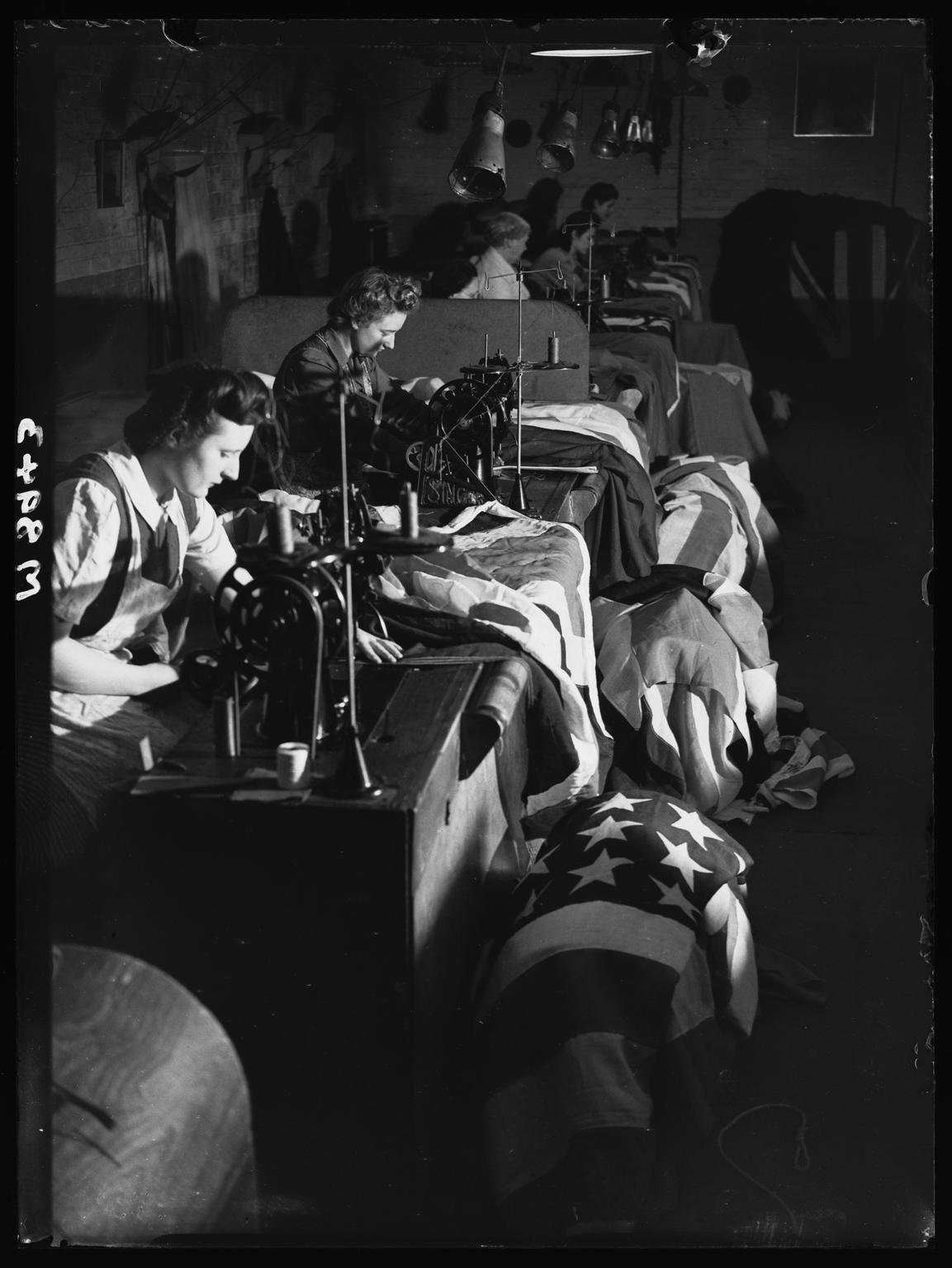
The advance arrives before the answer
Imagine a flag manufacturer invoicing a wholesale customer for £100,000. It assigns the invoice to a factor, which advances £80,000. The remaining £20,000 is held back pending collection. If the buyer pays in full, the factor retains the amount already advanced and releases the balance, less its charges.
That sequence follows the basic structure described by the British Business Bank: invoice finance converts a portion of receivables into immediate funding, while the residual becomes available when the customer pays. Factoring also includes managing the sales ledger and collecting from customers.[3]
For this example, assume the agreement protects the approved invoice against the customer's insolvency but excludes commercial disputes. Assume further that there is no deductible or uncovered portion within the approved amount. These are simplifying contract assumptions, not a claim that all non-recourse facilities offer identical cover.
HMRC's description of factoring draws the essential boundary. A recourse factor can return an unpaid debt to its client; a non-recourse arrangement can leave the loss with the factor, provided the client has not breached the agreement.[1] The label therefore needs its accompanying conditions.
A customer fails, but the invoice holds up
In the first branch, the flags meet the specification and the buyer acknowledges the full invoice. Then the buyer becomes insolvent. The manufacturer has observed the agreement's requirements and the debt remains within its approved protection.
Under the assumed terms, the factor bears the covered credit loss. The manufacturer does not have to repay the advance merely because the buyer has failed. When the retained balance becomes payable still depends on the agreement; credit protection should not be confused with an unconditional promise of immediate final settlement.
This is the strongest argument for buying the protection. The manufacturer can make and deliver a sound product yet have little control over its customer's other debts. Transferring that defined exposure has real value. It can prevent a failure elsewhere in the supply chain from undoing the cash already released against an otherwise valid sale.
A solvent customer challenges the goods
Return to the original shipment. This time the buyer has money but says the seams fail the agreed standard and disputes the invoice. The dispute falls outside the example's protection. A claim about what the supplier delivered cannot be treated as though it were simply the buyer's inability to pay.
HSBC's February 2025 UK credit-protection guide makes this distinction concrete. It excludes disputed debts and says that funding benefits from a debt that becomes ineligible may be removed or reversed. It also describes contractual rights to require repurchase of ineligible debts. The signed agreement takes precedence over the guide.[2]
Assume the factor invokes a repayment right and there is no other account balance available to absorb it. The manufacturer must find £80,000 while the dispute continues. That is a funding requirement, not proof of a permanent loss of the same amount. The customer may eventually pay; the problem is financing the interval.
If the advance has already paid fabric suppliers and wages, returning it requires another source of cash. A profitable order on the original estimate does not supply that cash. Nor does the unused portion of the invoice: it has never been collected.
A settlement makes the loss smaller than the cash shock
Now suppose the parties settle the defective-goods claim before the manufacturer has returned the advance. With the factor's agreement, the customer pays £70,000 directly to the factor in full settlement. Ignore charges and assume no further rights to recover value from the rejected goods.
The factor has advanced more than it collects. Under the example's dispute-recourse terms, the manufacturer must supply the £10,000 difference.
Compared with full payment of the original invoice, the manufacturer is worse off by £30,000: it loses the retained balance it expected and repays the excess advance. The factoring transaction has brought forward cash, but it has not repaired the economics of the defective shipment.
If the full advance had already been repaid, the settlement proceeds would instead need to be reconciled through the account. The final commercial shortfall is the same under these assumptions; the peak demand for cash is different. That sequencing is why a forecast should show actual receipts and repayments rather than one net loss figure.
What would change the conclusion?
A disputed invoice is not necessarily a permanently unprotected invoice. HSBC's guide allows for case-specific agreement or restored eligibility, including after a dispute is withdrawn or the debt is established in court.[2] The supplier's delivery records, acceptance evidence and correspondence may therefore matter as much as the buyer's financial condition.
The funding-shock thesis is falsified for this shipment if the factor confirms that the disputed invoice will remain funded, or restores eligibility before any repayment or reduction in usable funding takes effect. A complaint alone would then have overstated the cash consequence.
The British Business Bank's preparation checklist asks businesses to forecast the effect of financing and understand charges, collection responsibilities and the agreement's duration.[4] For this scenario, three transaction events deserve particular attention:
- When the customer first disputes the invoice: establish the amount challenged and obtain the factor's decision on continued funding.
- When a credit note or settlement is agreed: reconcile the revised receivable, the advance already received and any repayment due.
- At the next account statement after resolution: confirm that cash received and any restored funding have actually reached the calculation of usable funds.
Sources
- HM Revenue & Customs, VAT Finance Manual, VATFIN3220, “Factoring (including invoice discounting)” — recourse, non-recourse arrangements and client-account mechanics.
- HSBC UK, Receivables Finance Credit Protection Product Guide, February 2025, pp. 3–6 and 8 — protected funding, repurchase rights, disputed debts, restored eligibility and agreement precedence.
- British Business Bank, “Invoice finance” — advances, retained balances, collection services and costs.
- British Business Bank, “Invoice Finance Checklist” — cash forecasting, fees, collection responsibilities and agreement duration.
- Science Museum Group, “Women sewing flags,” photograph by F. Greaves, 3 April 1945 — Daily Herald Archive, object 1983-5236/M08943; photograph provenance.