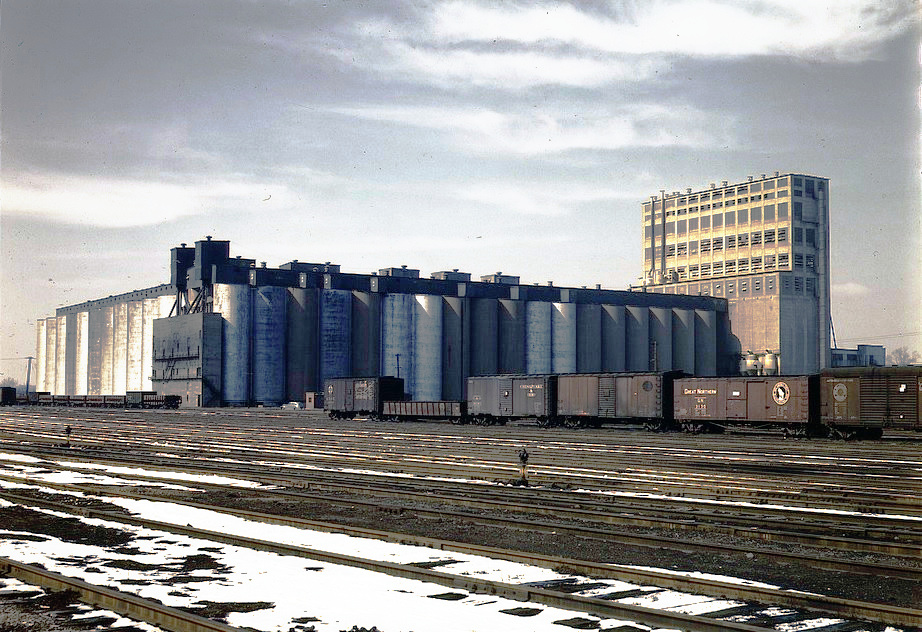
For a grain elevator, pricing inventory with futures can leave an unpriced funding bill. The hedge protects the futures component of the eventual selling value; it does not supply the cash needed to survive a rally before the grain is sold.[1][2]
The distinction changes how to read a losing futures account. A loss beside rising inventory value may show the hedge doing its job. Whether the business can carry that position depends on when money must leave and when money can arrive.
The price is protected, subject to basis
Consider an elevator that already owns 5,000 bushels of corn and expects to sell them later. It sells an equal quantity of futures at $6 per bushel. This is a short hedge: the business owns the physical commodity and takes the opposite exposure on the exchange. CME's standard corn contract covers that quantity.[1]
Assume the local cash price stays 20 cents below futures throughout. That difference is the basis: cash price minus futures price. Matching quantities and unchanged basis make the offset exact in this simplified example.[3]
The implied grain-sale proceeds after futures gains or losses are therefore:
5,000 bushels × ($6 − $0.20) = $29,000.
These are illustrative prices, not current quotations. The calculation excludes commissions, storage, interest, and changes in collateral requirements. It is a measure of sale proceeds after the hedge, not profit: the elevator still has to recover what it paid for the grain and its operating costs.
If prices stay still until the sale, little happens in the futures account. The grain eventually becomes cash and the short is closed by buying back the matching contract. There is still collateral tied up while the position remains open, but no cumulative trading loss in this branch.[1]
A rally moves the bill forward
Now let futures rise $1 per bushel before the planned grain sale. The short futures position loses $5,000. With basis unchanged, the stored corn gains the same amount in market value. The expected combined proceeds remain $29,000.
The accounting balances; the payment calendar does not. CME explains that futures gains and losses are settled in cash through daily mark-to-market payments, called settlement variation or variation margin.[2] The physical corn is still sitting in storage. Its increased value is not automatically spendable cash.[3]
For this branch, assume the elevator maintains its required collateral balance rather than meeting losses from a pre-existing surplus in the account. It must fund the $5,000 cumulative futures loss before the grain sale. That payment may arrive through a sequence of calls as prices rise; the example does not assume a single bill at the end.
When the corn is sold at the higher cash price, the extra proceeds economically offset the futures loss already paid. Do not subtract that loss again at closing. Variation margin has settled the loss along the way; it is not a deposit that the exchange refunds simply because the hedge ends.[2]
The path matters as well as the destination. A rally followed by a retreat can leave little final futures loss while requiring substantial cash at the rally's peak. Funding a hedge means surviving the largest intervening demand, not merely estimating its closing balance.
When a working hedge becomes a forced sale
There are two ways the rally branch can develop. With cash or a usable credit facility, the elevator pays the calls, keeps the hedge, and waits for its planned physical sale. Financing costs reduce its eventual return, but the price protection survives.
Without that funding, it may have to sell grain earlier than intended, reduce the futures position, or both. Closing the short while retaining unpriced grain leaves the remaining inventory exposed to a subsequent price fall. Selling the physical grain to meet the call can sacrifice the timing or local bid the elevator had expected. Those are consequences of the funding constraint in this scenario, not evidence that the original offset was arithmetically wrong.
There can also be a separate demand for more collateral. Initial margin is the performance bond required to establish a position; maintenance margin defines the level that must be sustained. CME says it typically raises margin requirements when price movements become more volatile.[4] Paying accumulated trading losses and supporting a higher collateral requirement are distinct cash needs. The $5,000 example captures only the first.
This mechanism has a documented history. In its March 5, 2008 Beige Book, the Federal Reserve's Kansas City district reported that rising commodities-futures margin calls, alongside large crop-input inventories, were straining grain elevators' cash reserves.[5] That observation establishes a real financing pressure. It does not establish that every affected elevator was insolvent, or that the same conditions prevail today.
Credit can bridge the gap; it cannot fix basis
The strongest counterweight is purposeful financing. Iowa State describes arrangements among grain producers, brokers, and lenders in which a lender receives margin calls and advances funds directly to the brokerage account. It also notes lenders' willingness to finance genuine hedges because they reduce price exposure.[6]
That producer example does not prove that a particular elevator has such a facility. It does show why a margin call need not force liquidation. For the elevator in our scenario, the relevant evidence would be borrowing capacity that is committed, available within the broker's payment window, and large enough after other working-capital needs.
The forced-sale thesis is falsified for the modeled rally if that accessible liquidity covers the peak settlement and collateral demands until the grain-sale cash arrives. A larger inventory valuation alone does not satisfy the test; the bridge has to deliver money on time.
Basis remains a separate exposure. If the local cash discount widens, the grain gains less than the short futures loses, and the assumed $29,000 proceeds fall. A funded account can preserve the hedge without preserving the expected selling value. Iowa State's discussion of hedging explicitly identifies this residual uncertainty.[3][6]
Three events that decide the outcome
- At the next broker settlement deadline: compare cumulative futures payments and required collateral with cash that can actually reach the account. Keep realized trading losses separate from collateral still held.[2][4]
- At the next credit-line renewal or borrowing-base review: check available headroom, draw conditions, and the lender's payment timetable. This is where a reassuring inventory value must become usable financing.[6]
- At the physical sale and hedge close: reconcile the local basis, cash receipts, and futures settlements already paid. The decisive comparison is the combined result after funding and storage costs, not the futures account viewed alone.[1][3]
Sources
- CME Group, Self-Study Guide to Hedging with Grain and Oilseed Futures and Options — short hedges, standard corn contract size, basis, and closing a futures position.
- CME Group, “Money Calculations for Futures and Options” — futures settlement variation and daily cash mark-to-market.
- Iowa State University Extension, “Crop Price Hedging Basics,” updated March 2022 — matched physical and futures positions, basis risk, and the timing gap between margin payments and grain-sale proceeds.
- CME Group, “Understanding Margin Changes” — initial and maintenance margin, marking positions to market, and volatility-driven collateral requirements.
- Federal Reserve, Beige Book, Kansas City district, March 5, 2008, Agriculture section — contemporary report of margin calls and crop-input inventories straining grain-elevator cash reserves.
- Iowa State University Extension, “Hedging vs. Forward Contracting,” updated November 2024, especially “The Lender's Role in Hedging” — lender-broker-producer arrangements and the limitations of price hedging.
- Jack Delano, The giant 10 million bushel grain elevator of the Santa Fe R.R., Kansas, March 1943 — cropped reproduction of the Library of Congress color transparency, with provenance on Wikimedia Commons.