The Columbia Basin had its best water supply in four years, and the Bonneville Power Administration’s power business beat its fiscal 2026 net revenue target. Yet utilities buying its Priority Firm Tier 1 power face an average effective rate increase of 2% from December through September. To reconcile the bill with the river, follow the water to the hour it could earn money, then follow that money to the year-end reserve account. [1]
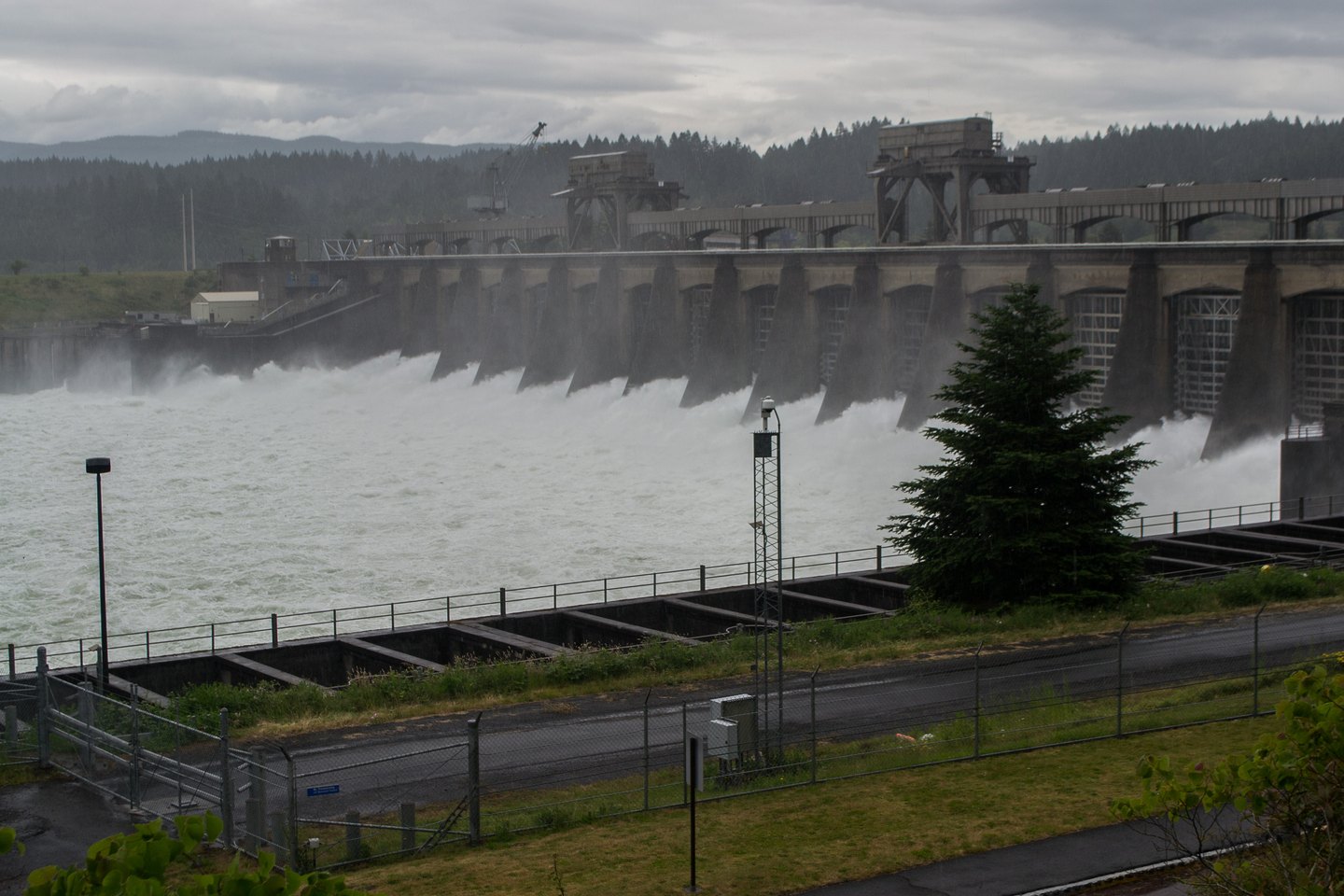
What an extra hour of generation buys
Imagine a utility that has promised its customers electricity through a cold evening. If its dams can cover those commitments, another megawatt-hour is available to sell. If the dams fall short, another megawatt-hour saves the utility the price of buying one. Water that arrives after the cold breaks can help with tomorrow’s obligations, but yesterday’s power bill is already due.
Bonneville faced that choice in January 2024. Operators bought electricity at night so they could hold water for the daytime surge in heating demand. They made room in lower Columbia reservoirs for releases from upstream while protecting salmon spawning beds below Bonneville Dam. That juggling kept electricity flowing, yet the agency ended the cold snap a net buyer. When it closed its books that autumn, it traced much of the year’s loss to purchases made during the freeze. [3][4]
Fiscal 2026 put the other side of the trade on display. Regional water supply reached 93% of normal. Runoff came at times that matched peak demand poorly, leaving fewer opportunities to sell surplus power when buyers valued it most. A court order requiring spill also reduced the water available to turbines. Together those factors help explain why hydropower sales came in $176 million below forecast, even as the basin emerged from three drier years. [1]
The number that reaches the bill
A power-sales shortfall can coexist with a good year on the income statement. Bonneville collected a reserve surcharge triggered by the previous year’s results, recognized proceeds from a settlement with public utility districts and held operating expenses below forecast. Those items helped Power Services beat its net revenue target. A settlement can improve one year’s result without adding a single megawatt-hour to sell the next winter. [1][5]
For a utility budgeting its wholesale purchases, the decisive figure came at the end of September. Power Services held reserves equivalent to 46 days of cash, below its 60-day threshold. The agency as a whole cleared that threshold, helped by its transmission business. The policy also tests each business separately, which is why the power surcharge will appear again on wholesale bills. Whether a retail customer sees a corresponding change depends on how its local utility recovers costs. [1]
What would change the outlook
The December increase is already scheduled. The open question is whether power customers will have to keep replenishing reserves after this collection period. Two observations would change the assessment. [1]
- At the first winter quarterly review, read purchase expense alongside surplus sales. A cold spell with enough water available at peak hours could spare Bonneville expensive purchases. Strong runoff followed by another large purchase bill would be reason to look at when the water arrived and how much operators could store. [1][3]
- At the September 2027 close, compare Power Services’ own reserve days with the policy floor. A recovery to the floor or above would remove the below-threshold trigger for another power surcharge under the same rule. A repeat of this year’s net revenue beat, on its own, would tell a customer little about the next bill. [1][5]
Sources
- Bonneville Power Administration, fiscal 2026 year-end results and power surcharge announcement
- Visitor7, “Spillway, Bonneville Dam-1,” photograph and license, Wikimedia Commons
- Bonneville Power Administration, “Federal hydro system powers region through arctic blast,” January 2024
- Bonneville Power Administration, fiscal 2024 financial results
- Bonneville Power Administration, fiscal 2025 financial results and the first power reserve surcharge