A tariff already built into an importer's selling price can still be expensive to finance. A US customs bonded warehouse postpones the duty payment, giving the importer a financing benefit whose value depends on how long the cash stays available and what the warehouse charges for the privilege.[1]
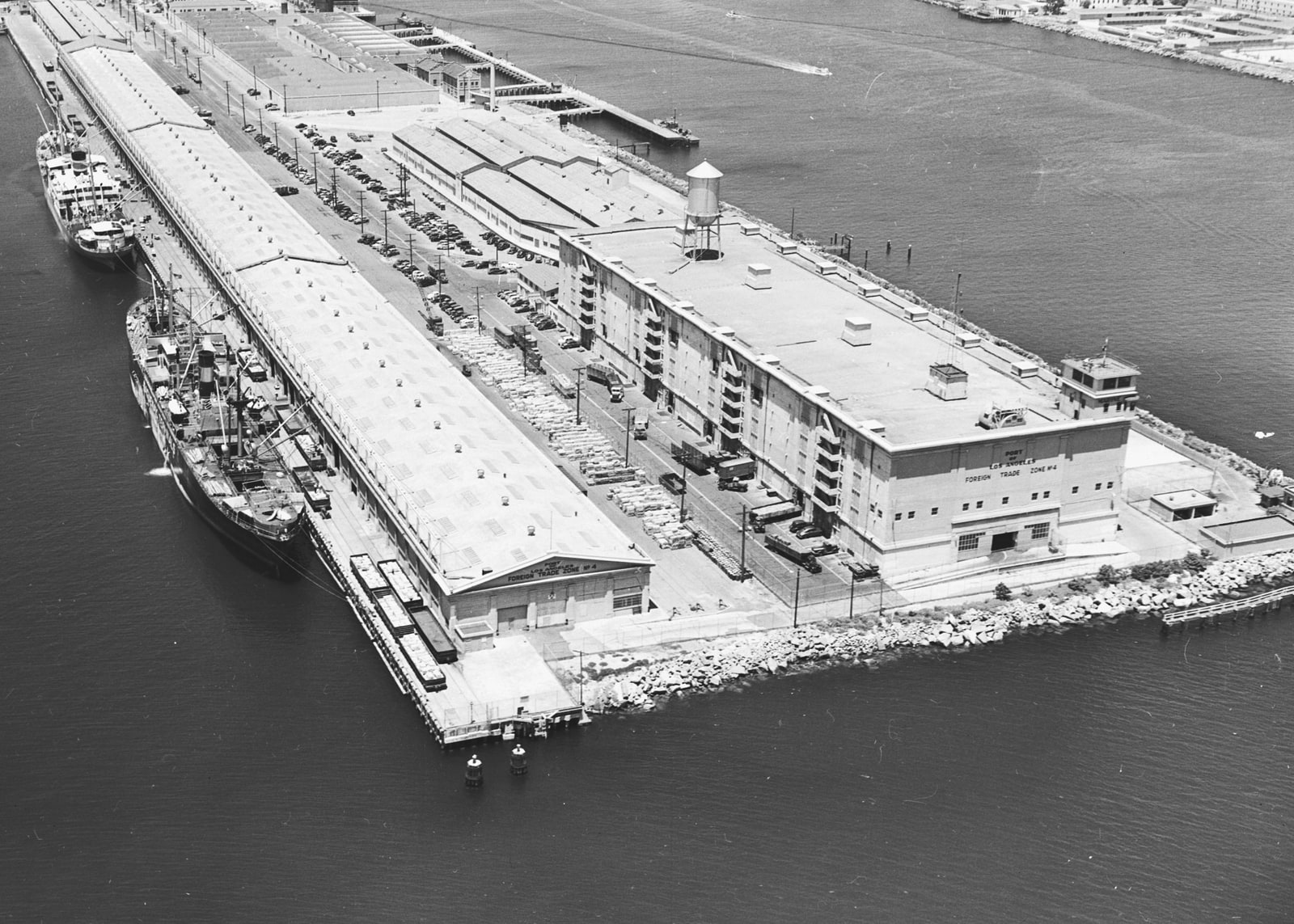
A different payment clock
The warehouse is more than rented floor space. Under US law, approved premises can hold imported merchandise under customs control, and the proprietor must provide a bond protecting the government against losses or expenses associated with the goods. A public bonded warehouse can serve importers generally; a private one stores goods belonging or consigned to its proprietor.[2]
For an importer using the arrangement, the crucial feature is the interval before domestic withdrawal. The International Trade Administration explains that the importer retains use of the money that would otherwise go toward duty during that interval. Bond obligations remain, so the deferred payment is backed by a controlled storage arrangement.[1]
Consider a distributor with goods intended for a later selling season. It still has to finance the merchandise and keep it somewhere. Bonded storage changes the timing of the duty component. That distinction separates the amount of cash retained from the economic gain earned by retaining it.
Follow the money through one shipment
Assume a shipment carries a $100,000 duty bill, and the distributor expects to hold all the goods for six months before releasing them for US consumption. Its marginal borrowing cost is 8% a year. These are hypothetical inputs, not current tariff rates or a quoted warehouse offer.
Compare two paths with the same goods, selling date and inventory holding period. In the first, the distributor pays the duty immediately and finances it throughout storage. In the second, the entire duty payment is postponed until the end of the holding period. Assume the applicable tariff stays unchanged, no goods leave early, and ordinary payment arrangements do not create another timing difference.
The gross financing saving is $4,000: the duty balance multiplied by the annual borrowing rate and half a year. At withdrawal, the same duty principal still has to be funded. Keeping the larger balance available temporarily does not turn that entire balance into income.
The comparison also fixes the right cost boundary. Both paths need storage, so the relevant deduction is the extra cost of bonded storage over ordinary storage, together with incremental handling, bond-related charges and administration. Subtracting every warehouse expense from the financing benefit would charge the bonded option for costs the distributor would have incurred anyway.
If stock leaves gradually, the cash benefit shrinks as each duty payment is made. The calculation must then follow the amount still deferred over time. Applying the full opening balance to the whole holding period would overstate the saving. Likewise, a cash-rich distributor should value retained cash using its relevant alternative return, rather than claiming borrowing costs it would never incur.
The strongest counterweight is the warehouse itself
Customs control requires work. The inventory rules demand records that trace merchandise through its time in the warehouse, support accurate reporting, and identify shortages and overages. They also require a procedures manual. These obligations explain why a bonded-storage quote can carry costs beyond the price of space.[4]
There is a commercial trap here. Slow-moving stock creates a longer period of duty deferral, which can make the financing calculation look better. Yet the same delay can mean weak demand, more storage expense and eventual markdowns. A favourable calculation on the duty component says nothing by itself about whether buying the inventory was profitable.
The financing case fails if the extra costs of bonded storage equal or exceed the avoided funding cost, assuming the tariff and sales outcome stay unchanged. That is a testable limit: the warehouse quote, financing terms and actual withdrawal schedule can overturn the apparent advantage.
Waiting leaves the tariff exposed
The governing statute generally applies the duty rate in force when merchandise is withdrawn for consumption. Warehousing therefore does not lock in the rate prevailing on arrival. A later increase could outweigh the financing saving; a decrease could improve the outcome. Neither belongs in the base calculation unless it is an explicit assumption.[3]
There is also an ordinary five-year storage period measured from importation, although CBP can permit a longer period following a proper request and a showing of good cause. For eligible goods withdrawn for export, the statute provides a route without payment of the import duties. That changes the commercial destination and the duty outcome, rather than merely extending the financing interval.[3]
The distinction matters when interpreting a company's cash flow. Moving stock into bond can reduce the cash needed before a selling season without improving demand or reducing the duty eventually owed on domestic sales. When the goods are released, the postponed payment returns to the cash forecast. The business has gained time in which to arrange funding or secure orders; whether that time creates value depends on what happens before release.
What would confirm the saving
- At the next warehouse quotation or renewal: compare the full incremental bonded cost with ordinary storage for the same shipment and period. A headline storage rate alone cannot establish the benefit.
- When the next domestic withdrawal is scheduled: replace the assumed holding period with expected release dates and quantities, then check the duty payments against customer collection dates and available funding.
- Before the next applicable tariff change takes effect: recalculate the bill on goods still in bond. The withdrawal-rate rule makes that effective date financially relevant even though the shipment has already arrived.[3]
Sources
- International Trade Administration, “Customs Bonded Warehouses,” July 9, 2016 — official explanation of duty deferral, retained cash and bond liability.
- Office of the Law Revision Counsel, 19 U.S.C. §1555, “Bonded warehouses,” text through Public Law 119-121 — approved premises, public and private warehouses, and the proprietor's bond.
- Office of the Law Revision Counsel, 19 U.S.C. §1557, “Entry for warehouse,” text through Public Law 119-121 — withdrawal rates, storage periods and extensions, export treatment, and payment exceptions.
- Cornell Legal Information Institute, 19 CFR §19.12, “Inventory control and recordkeeping system” — reproduction of the federal regulation on audit trails, procedures and inventory reconciliation.
- Port of Los Angeles, “Historical Port Landmarks,” Municipal Warehouse No. 1 section — building history and the archival photograph captioned “Warehouse One, circa 1940s.”