A coal mine's cash-saving cleanup guarantee can become expensive when its owner weakens. Self-bonding preserves cash by relying on the company's financial strength; the overlooked cost is having to replace that promise when lenders and sureties have begun questioning the same balance sheet.[1][3]
The financing problem begins with work that produces no more coal: reshaping disturbed ground, controlling drainage and establishing vegetation. A reclamation bond is supposed to ensure that this work can be completed if the operator fails. The important question is how much usable security stands behind the promise when it is needed.[1]
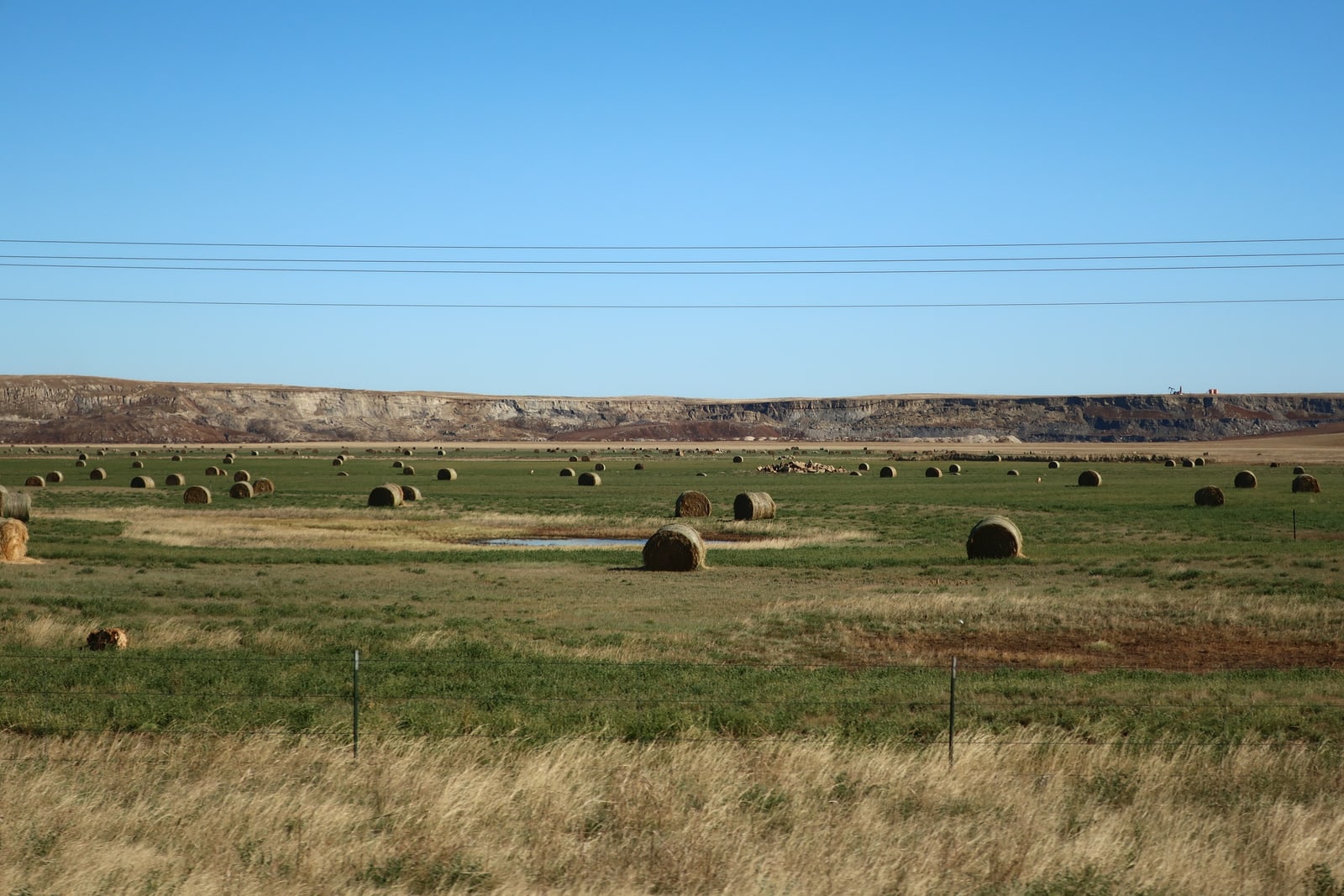
A promise keeps capital available
The Office of Surface Mining Reclamation and Enforcement distinguishes self-bonds from surety and collateral bonds. A self-bond is a legally binding corporate undertaking without separate surety or collateral. Its attraction is therefore concrete: eligible operators can leave assets available for operations instead of pledging them to secure cleanup.[1]
That does not make the reclamation obligation smaller. Under the federal bond-amount rule, the regulator must allow for the approved plan, site conditions and the cost of completing the work if it has to step in after forfeiture. An operator's own cost estimate informs the decision but does not determine it.[2]
These are separate assessments. One concerns the earthmoving, drainage and vegetation work left behind. The other concerns the financial resources supporting its completion. A cheaper financial instrument does not flatten a slope or treat water more cheaply.
The discussion here concerns the federal coal-reclamation framework. Approved state programs determine which instruments they accept, and some exclude self-bonding. It is not an option available to every mine.[1]
Financial weakness changes the instrument
The federal self-bonding rule caps an applicant's outstanding and proposed self-bonds at 25% of its tangible net worth in the United States. Separate financial eligibility tests also apply. Tangible net worth excludes intangibles such as goodwill.[3]
The arithmetic creates a vulnerability even if the mine's reclamation plan remains unchanged. A decline in the relevant net worth reduces the amount of self-bonding the balance sheet can support. The company can lose room under the cap without disturbing another acre.
When financial conditions cease to satisfy the rule's specified criteria, the permittee must notify the regulator immediately and post an alternative bond of the same amount within 90 days.[3] That is a deadline for replacing security, rather than a schedule for finishing all reclamation.
Replacement can mean obtaining a surety bond or letter of credit, or pledging eligible assets. OSMRE notes that banks and sureties may require partial or full collateral, alongside fees and reimbursement agreements.[1] The bond's face amount therefore cannot simply be labeled an immediate cash outflow.
The financial effect depends on the replacement terms. Cash collateral becomes unavailable for payroll or equipment. A letter of credit can use scarce bank capacity. A surety willing to accept limited collateral may soften the squeeze. The mechanism is a competition for financial resources, not a universal dollar-for-dollar withdrawal.
The deadline and the money can diverge
The Government Accountability Office documented how difficult that conversion can become. In a case discussed in its March 2018 report, Wyoming ordered an operator in 2015 to replace a $411 million self-bond after determining that it no longer qualified. The operator entered bankruptcy before replacing it.[4]
According to GAO, the state allowed continued mining because it judged that continued operations offered a better prospect of reclamation. Replacement arrived through the bankruptcy settlement approximately 17 months after the order.[4]
This is a historical case, not a claim about an operator's present finances. It exposes the tension in the mechanism: requiring stronger security protects the public, but obtaining it can make an already fragile company's finances worse. Letting production continue may preserve revenue while leaving the regulator dependent on the operator's recovery.
GAO also identified difficulty assessing operators' financial health and tracking self-bonds across states.[4] The formal eligibility test and the practical ability to obtain replacement security are different safeguards. Neither makes the other unnecessary.
Reclamation can reduce the financing burden
The strongest counterweight is that the obligation can shrink through completed work. Under the federal release schedule, the regulator may release 60% of the bond for the applicable area after qualifying backfilling, regrading and drainage control. Later releases depend on further reclamation milestones; full release requires satisfaction of the reclamation and permit requirements.[5]
That makes progressive reclamation financially meaningful. Spending on eligible work can support a reduction in required security, subject to inspection and regulatory approval. A photograph of grass or hay bales alone cannot establish that a bond has been released.
An operator with substantial completed reclamation, ample unpledged assets or a committed replacement facility may absorb a transition without an operating crisis. Conversely, a large bond amount is not proof of a cash shortfall: the actual collateral terms and remaining work determine the pressure.
The cash-squeeze thesis would be invalidated for a particular operator if it could replace its self-bonds on committed terms without materially reducing usable cash or available credit. That is a financing test, not a judgment based solely on coal prices or a credit headline.
Three events would show whether the pressure is building or receding:
- At the next financial submission or material deterioration: reconcile the relevant entity's financial eligibility and total self-bonds, including obligations across states.[3][4]
- When replacement security is quoted or approved: distinguish face amount from required collateral, fees and bank capacity consumed. An available bond and an affordable bond answer different questions.[1]
- At the next bond-release decision: compare completed reclamation with the security actually released. The reduction becomes usable financial room when the regulator approves it.[5]
Sources
- Office of Surface Mining Reclamation and Enforcement, "Reclamation Bonds" — instrument types, state-program variation, collateral demands, fees and indemnity arrangements.
- 30 CFR § 800.14, "Determination of bond amount," via Cornell Legal Information Institute — reclamation-plan requirements and the regulator's completion-cost standard.
- 30 CFR § 800.23, "Self-bonding," via Cornell Legal Information Institute — financial eligibility, tangible net worth, aggregate limits and replacement requirements.
- U.S. Government Accountability Office, Coal Mine Reclamation: Federal and State Agencies Face Challenges in Managing Billions in Financial Assurances, GAO-18-305, March 2018, printed pages 20–22 — financial oversight and the Wyoming replacement case.
- 30 CFR § 800.40, "Requirement to release performance bonds," via Cornell Legal Information Institute — phased release, inspection and final reclamation requirements.
- Mr. Satterly, "Partially reclaimed mine land at Eagle Butte Mine in Campbell County, Wyoming (2)," October 12, 2019, Wikimedia Commons — photograph and provenance.