Priced: beauty retail still looks defensive because shoppers keep buying small, replenishable luxuries even when bigger discretionary categories wobble. New: the easy "lipstick effect" story is too blunt for 2026. The spread now sits in whether retailers can hold loyalty traffic, fragrance mix, shrink, and inventory discipline while mass and prestige beauty grow at nearly the same speed.
The mechanism is simple but unforgiving. Beauty has high visit frequency, strong gifting behavior, and enough replenishment to avoid behaving like furniture or electronics. But the retailer does not own the whole value chain. Brands can pull traffic directly through their own sites. Department stores can use promotions to clear inventory. Mass merchants can press opening-price points. Prestige brands can protect scarcity until they cannot. In that setup, the winning retailer is not the one with the prettiest category narrative. It is the one that turns traffic into basket size without buying sales through discounts, lost inventory, or bloated stock.
Ulta's first quarter gives the cleanest current read. Net sales rose 4.5% to $2.8 billion, comparable sales rose 2.9%, transactions increased 1.3%, and average ticket increased 1.5%.[1] That is a useful mix: more visits and more dollars per visit. Gross profit rate also ticked up to 39.2% from 39.1%, helped by merchandise margin and lower inventory shrink, even as SG&A deleveraged to 27.3% of sales from 25.6%.[1] The market can live with modest comp growth if gross margin is intact. It gets less patient when store, wage, incentive, technology, and marketing costs absorb the category's resilience.
The inventory line is the warning label. Ulta ended the quarter with $2.1 billion of merchandise inventory, up 10.8% year over year, while sales rose 4.5%.[1] Management tied the increase to new and remodeled stores, new brand launches, international buildout, and strategic inventory investments. That may be reasonable. But in beauty, inventory is not passive. Shade ranges, seasonal fragrance, gift sets, viral products, and prestige launches age differently. Too little inventory misses traffic. Too much inventory can force markdowns, crowd shelves, raise theft exposure, and slow working-capital conversion.
This is why the 2026 beauty trade is not just about whether consumers like makeup. Circana's first-quarter readout said U.S. mass and prestige beauty sales grew at nearly the same rate for the first time in five years, with prestige retail dollar sales up 6% to $8.1 billion and mass retail sales up 7% to $18.1 billion.[2] Prestige still matters, especially where fragrance, mini sizes, and premium skin care create higher baskets. But the gap between channels is not wide enough to assume prestige automatically wins. If mass catches up by volume and price point while prestige leans on giftable fragrance and selective launches, retailers have to prove that mix, not just quote it.
L'Oreal's first-quarter 2026 release supports the constructive side of the category. The group reported 12.15 billion euros of sales, up 7.6% like-for-like and 6.7% on an adjusted like-for-like basis, with growth across regions and divisions.[3] That matters because Ulta is not trying to sell into a dead market. Global brand owners are still innovating, launching, advertising, and defending premium price architecture.
But the same fact creates a counterweight. If the best global manufacturers keep their own economics strong, they will not automatically donate margin to retailers. They can manage channel mix, push direct-to-consumer, control promotions, and reserve scarcity for products that create brand heat. And not every supplier is showing clean growth. Coty's fiscal 2026 third-quarter release reported $1.28 billion of net revenue, down 7% like-for-like, with Prestige down 5% and Consumer Beauty down 10%.[4] Retailers sit between resilient demand, disciplined brand owners, and weaker brands trying to repair sell-through. That is a good place to be only if the store creates traffic and discovery the brand cannot cheaply replace.
The strongest bullish case is loyalty. A beauty specialist can assemble replenishment, discovery, services, salon, exclusives, samples, credit, app behavior, and rewards into one traffic loop. That loop is hard for a single brand to replicate. It also gives the retailer a better read on what is actually moving: which viral product becomes a repeat item, which prestige fragrance converts after sampling, which mass item protects entry-level traffic, and where theft or returns are rising. If loyalty traffic is healthy, beauty retail earns its premium by being the marketplace where the category is curated and monetized.
The strongest bearish case is that resilience is already priced while operating leverage is less forgiving. Ulta's operating income was $381.7 million, or 13.5% of sales, down from 14.7% a year earlier.[1] That is not a disaster. It is a reminder that beauty retail can have good comps and still lose margin if expense growth outruns traffic. A retailer can also report lower shrink in one quarter and still face a structural shrink problem if high-value, small-format products remain easy to steal and resell.
The falsifier is concrete. The thesis breaks if the next two reporting rounds show comps holding only because of promotions, inventory rising faster than sales again, gross margin losing the benefit from lower shrink, and prestige fragrance failing to keep basket size above mass-channel pressure. In that branch, beauty retail would still be a solid category, but the retailer multiple would have been paying for a traffic and margin machine that was really just a defensive consumer story.
The watchlist should stay tight. First, watch Ulta's second-quarter 2026 update for the inventory-to-sales gap and whether gross margin still benefits from shrink improvement.[1] Second, watch Circana's next category readout for whether mass keeps matching prestige growth or whether fragrance restores a clearer premium-channel spread.[2] Third, watch L'Oreal's half-year 2026 results for whether global beauty growth remains broad rather than dependent on a few geographies or divisions.[3] Fourth, watch Coty and other suppliers for retailer inventory comments, because brand sell-in can look healthy before sell-through proves the shelf is clean.[4]
Beauty retail still deserves a resilience premium. The narrower point is that resilience is no longer enough. In 2026 the equity case has to show traffic, ticket, shrink, inventory, and prestige mix moving together. The category can be attractive while the stock-specific proof remains operational.
Sources
- Ulta Beauty, "Ulta Beauty Announces First Quarter Fiscal 2026 Results and Raises Fiscal 2026 Outlook" (June 2, 2026) - net sales, comparable sales, transactions, ticket, gross margin, SG&A, operating margin, inventory, and outlook.
- Circana, "US Beauty Market Delivers Steady First-Quarter Growth" (May 11, 2026) - mass/prestige growth rates, category-channel context, and first-quarter beauty demand commentary.
- L'Oreal Finance, "First Quarter 2026 Sales" (April 2026) - group sales, like-for-like growth, regional/division commentary, and global beauty market context.
- Coty, "Coty Announces Third Quarter Fiscal Year 2026 Results" (May 5, 2026) - prestige, consumer beauty, retailer, regional, inventory, and margin context from a major beauty supplier.
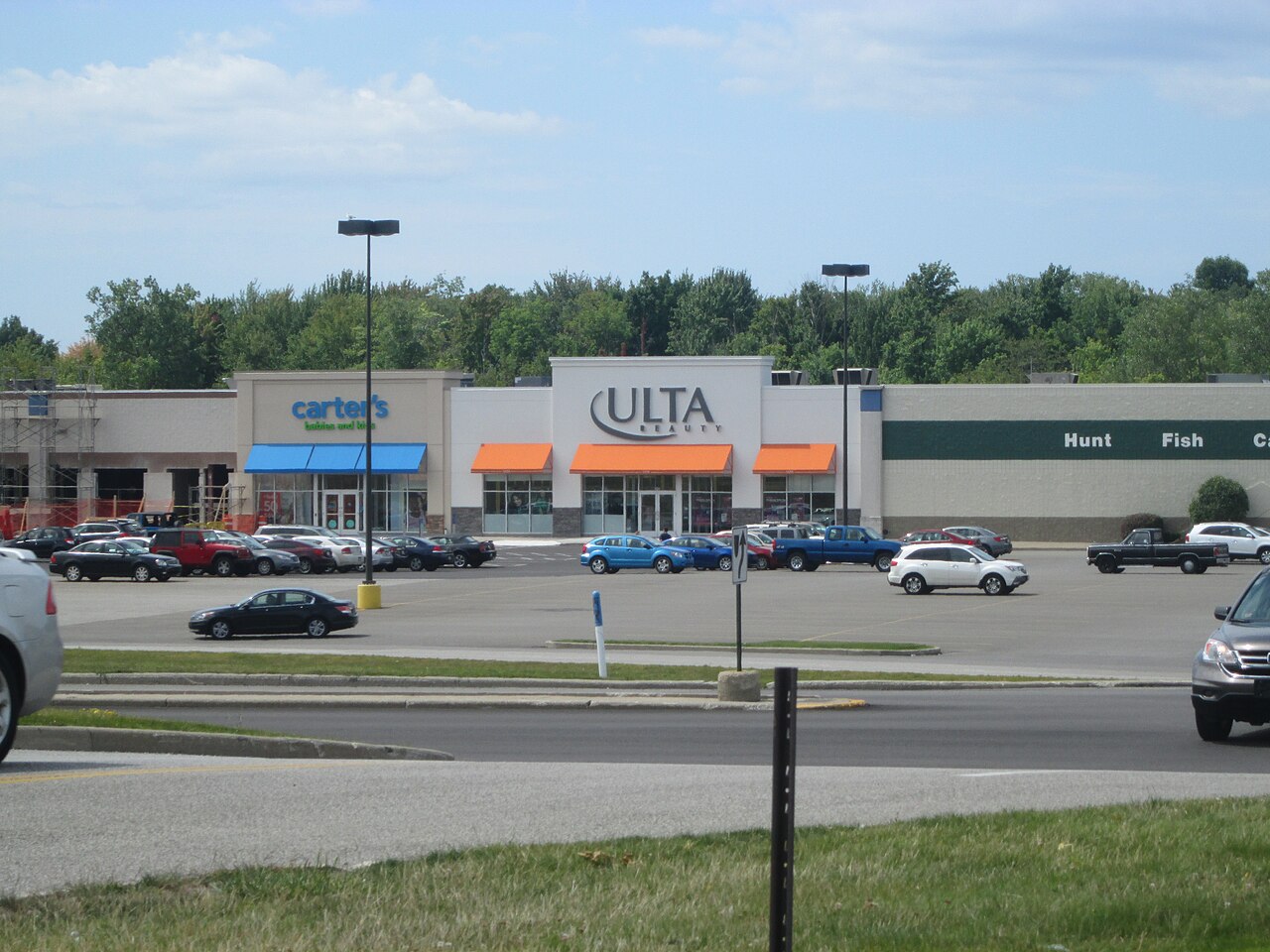
- Wikimedia Commons, "File:Ulta Beauty.jpg" - source page for the real storefront photograph used as the article image.