As of November 26, 2026, 20:30 UTC.
The vehicle that helped decide a Thanksgiving court case in Plymouth, Massachusetts, had already worn out. For years, Indigenous speakers at the National Day of Mourning had used a stage supplied by the town. Two days before this year’s gathering, a Superior Court judge ruled that Plymouth could neither demand insurance from the organizers nor require a municipal permit. He also declined to order the town to build them a stage on Cole’s Hill. Both decisions came from reading the same agreement. [1]
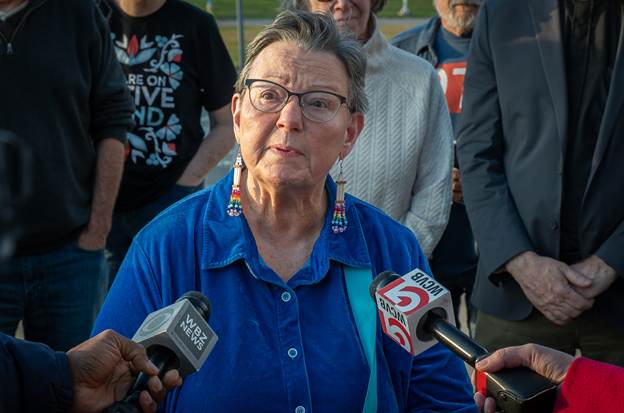
The gathering began in 1970. On the hill above Plymouth Rock, Native speakers and their allies mark what the Thanksgiving story often leaves out, including the loss of Native land and the survival of the people who lived there. The annual march acquired unusually precise terms after police arrested 25 people in 1997. Under the settlement, United American Indians of New England (UAINE) gives Plymouth advance notice of the route, time and expected turnout. The town can then plan for the march. It has already agreed that organizers can hold it. [3][4]
What Plymouth promised to lend
Paragraph 13 names the town’s “showmobile,” a vehicle that could serve as a speakers’ platform. Plymouth agreed to make it available and to seek any necessary state permits for its use. The same paragraph anticipates a second arrangement. If UAINE brings its own stage and sound system, the town will help get them installed and connected to power. [1][3]
When the vehicle deteriorated, Plymouth began setting up a stationary stage. Years of that practice mattered to Munro. For speakers addressing a crowd on the hill, elevation also has a practical purpose. Someone several rows back might hear a voice through a loudspeaker and still need a clear view of the person interpreting the speech into American Sign Language. Organizers made that point in their request for emergency relief. [1][5]
Judge Brian Glenny read the promise as a loan of a particular piece of equipment. Once the showmobile was gone, he found little likelihood that UAINE could compel Plymouth to furnish a replacement under that clause. The insurance demand had a different history. Plymouth’s Select Board had voted on November 10 to seek coverage from the group. On November 24, Glenny upheld the settlement and barred the town from making UAINE buy insurance, post a bond or assume liability on the town’s behalf for Day of Mourning activities. [1][4]
What to check after Thanksgiving
- Today. Plymouth police published a route from Cole’s Hill through downtown to a second rally at Plymouth Rock, then on to the Metacomet marker in Town Square. The route notice establishes what police planned for. Identifying who actually furnished a platform on Thursday requires an account from the event. [6]
- Over the next week. A local parade organizer offered a stage and insurance. A confirmed agreement on who supplies and installs the equipment could resolve the practical dispute. Munro explained after the hearing why the offer alone fell short for her group. She wanted Plymouth to make the arrangements and take responsibility for them. [2][4]
- Before the next round of planning. The November order remains the starting point. A written commitment covering replacement equipment would give both sides something specific to plan around. If talks stall, the question to track is whether either side seeks a further ruling on the stage. UAINE said it was reviewing its options. A later order could change those obligations, while a donated platform for one afternoon would settle only who stood where that day. [1][4]
Sources
- Plymouth Superior Court, Judge Brian S. Glenny’s November 24 order on UAINE’s renewed motion for a preliminary injunction.
- Emily Spatz, Plymouth Independent, report from the November 23 hearing, with Jim Curran’s photograph of Mahtowin Munro.
- United American Indians of New England, settlement text and the inscription on Cole’s Hill.
- Andrea Estes, Plymouth Independent, November 24 ruling and responses from organizers and town officials.
- United American Indians of New England, renewed motion for emergency relief and supporting memorandum.
- Plymouth Police Department, November 26 route notice for the National Day of Mourning and Pilgrims Progress.