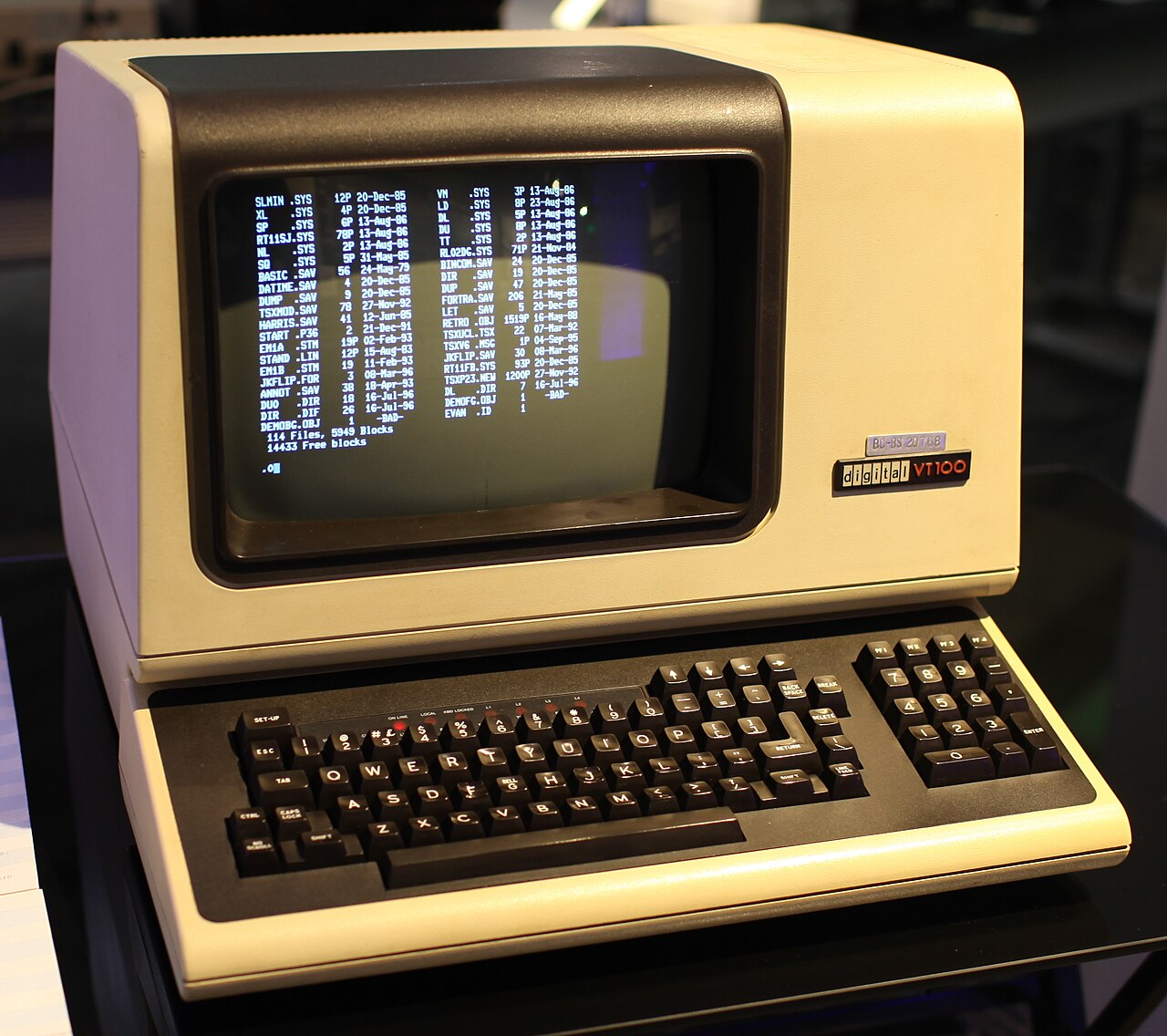
zoxide is easy to undersell because its surface promise is tiny: it is a smarter cd command. The project README says it remembers the directories you use most frequently so you can jump to them in a few keystrokes, and it works across major shells.[1] That sounds like terminal convenience. The more useful reading is architectural: zoxide adds a small, local memory layer between human recall and filesystem paths.
That distinction matters for engineers who live in repositories, build directories, log folders, generated artifacts, customer workspaces, and deployment trees. Ordinary cd assumes you know the path. Shell history assumes the exact command you ran before is still the right command now. Tab completion assumes you are already in the right neighborhood. zoxide asks a different question: given the directories this user actually visits, which path is the most likely target for a short query?
The project is small because the contract is small
zoxide's best feature is restraint. It is not trying to become a file manager, terminal multiplexer, prompt framework, or project launcher. It keeps its contract narrow: record directory visits, rank likely destinations, expose the result through z, and optionally let zi hand ambiguous choices to fzf for interactive selection.[1]
That narrowness makes adoption unusually low-risk. A developer can initialize it in Bash, Zsh, Fish, Nushell, PowerShell, or another supported shell, then keep using ordinary paths whenever the learned shortcut is wrong.[1][4] The Arch Linux manual page shows the real integration point: shell init code is appended to the user's config, with shell-specific forms such as eval "$(zoxide init bash)", zoxide init fish | source, and a separate save/source pattern for Nushell.[4] In other words, zoxide enters through the same startup boundary as prompt and completion tools, not through a privileged daemon.
That boundary should guide rollout. For one person, install it and move on. For a team-standard dev environment, make it opt-in or put it behind a dotfile profile, because directory memory is personal. The tool gets stronger as it learns one user's habits; forcing the same learned database across users would miss the point.
Frecency is the product, not a buzzword
The algorithm page is unusually clear about how zoxide decides where to jump. Matching is case-insensitive. Query terms must appear in path order. The last component of the last keyword must match the last component of the path. Matching results are then returned by frecency.[2] That combination is why a query can feel loose without becoming arbitrary.
The frecency rule is simple enough to reason about. Each directory starts with a score of 1 when first accessed. Later accesses increment the score. At query time, recent access changes the weight: within the last hour, the score is multiplied by 4; within the last day, by 2; within the last week, divided by 2; otherwise, divided by 4.[2] The important point is not the exact constants. It is the design shape: a directory you used often last year should not outrank the working tree you have lived in all morning.
This is the difference between zoxide and a memorized alias list. Aliases are explicit and brittle. They work well for stable landmarks like ~/src/company/main-service, but they do not adapt when a branch checkout, incident folder, benchmark run, or customer reproduction directory becomes important for three days and then fades. zoxide lets the shell remember temporary importance without asking the user to curate it.
There is also a visible aging model. The wiki describes _ZO_MAXAGE as a limit on the database's total score; when scores exceed it, entries are scaled down, and entries that fall below 1 are removed. Missing filesystem entries older than 90 days are lazily pruned.[2] That keeps the database from becoming an immortal junk drawer. The shell memory decays, which is exactly what shell memory should do.
Cross-shell support is where the maintenance signal shows up
The latest release page is a good reminder that shell tools are compatibility projects before they are feature projects. zoxide 0.9.9, published on January 31, 2026, added Android ARMv7 support and Fish 4.1.0+ support; its fixes touched Nushell external-command syntax, Zsh dirstack parsing, Bash PROMPT_COMMAND array handling, Bash $PIPESTATUS, POSIX builtin usage, and Fish completions.[3]
That is not glamorous work, but it is the work that decides whether a command-line helper is safe to recommend. A directory jumper sits on the interactive path. If it breaks shell status variables, clobbers prompt hooks, mishandles completions, or behaves differently across machines, the productivity win disappears fast. The release notes show a maintainer surface that is mostly about small shell contracts: prompt lifecycle, completion behavior, command naming, and platform packaging.[3]
As of this run, GitHub's API reported about 37.5k stars, 832 forks, 154 open issues, an MIT license, a latest release of v0.9.9, and a repository push timestamp of May 21, 2026.[3][5] Those numbers should not be treated as proof of fit, but they are enough to show an active and widely used project rather than a forgotten dotfile trick. crates.io also reports 0.9.9 as the current crate version, with more than 224k total downloads.[6]
Where it fits
zoxide fits people whose terminal work is path-heavy and repetitive but not fully predictable. It is especially good for monorepos, polyrepo workspaces, support engineers moving among customer folders, data teams jumping between notebooks and generated outputs, and platform engineers who bounce between config trees, logs, manifests, and local clones.
The strongest daily pattern is short and boring. Visit a directory once with cd. Return later with z plus one or two memorable path fragments. Use zi when the query is ambiguous and an interactive picker is faster than typing more.[1] That workflow does not replace understanding the filesystem. It reduces the typing tax around places you already understand.
The weaker fit is also clear. If your work is mostly inside one repository, your editor handles project switching, and your shell sessions are short-lived or disposable, zoxide may feel like cleverness without enough payoff. If your team relies on strict, copy-pastable onboarding instructions, replacing cd globally with zoxide init --cmd cd deserves caution because it changes a primitive command's behavior.[4] The safer default is to keep z as the accelerated path and leave cd as the literal path operation.
That is the real adoption rule: let zoxide be memory, not authority. It should make the likely jump fast, while ordinary paths, pwd, and cd remain the ground truth. Used that way, zoxide is one of the better kinds of OSS tool: small enough to audit mentally, useful enough to keep, and honest about the boundary where convenience ends.
Sources
- Ajeet D'Souza,
ajeetdsouza/zoxideGitHub repository - project README, installation matrix, command examples, supported shells, license, and repository activity snapshot. - Ajeet D'Souza, "Algorithm," zoxide GitHub Wiki - matching rules, frecency scoring, aging,
_ZO_MAXAGE, and lazy pruning behavior. - Ajeet D'Souza,
zoxideGitHub releases - v0.9.9 release date, platform additions, and shell-specific fixes. - Arch Linux manual pages,
zoxide-init(1)- downstream packaging/manual view of shell initialization commands, options, version, upstream link, and MIT license metadata. - GitHub REST API,
repos/ajeetdsouza/zoxide- repository activity snapshot for stars, forks, open issues, license, default branch, and latest push timestamp. - crates.io API,
zoxidecrate record - current crate version and download counters for Rust package distribution context. - Jason Scott, "DEC VT100 terminal.jpg," Wikimedia Commons - CC BY 2.0 photograph used as the article image source.