The easiest way to underrate just is to call it a nicer alias file and stop there. The project's own documentation takes a sharper line: just is a command runner, not a build system.[1] That distinction is the whole point. Plenty of teams do not need another artifact graph, another package solver, or another deployment control plane. They need one place to store the commands that actually make a repository usable: bootstrap, lint, test, seed, release, docs, fixtures, screenshots, and the slightly annoying two-step routines that everyone forgets until CI fails. In 2026, just matters because it keeps that layer visible without inheriting the full social and syntactic baggage of make.[1][4]
As of 2026-04-27T11:35:31Z UTC, the GitHub API reports 33,188 stars, 768 forks, 303 open issues, an updated_at timestamp of 2026-04-27T11:04:37Z, and a most recent push on 2026-04-26T06:45:51Z for casey/just.[2] The latest release is 1.50.0, published on 2026-04-19T23:56:08Z.[3] The recent changelog also shows continued movement just below that headline: 1.49.0 added user-defined functions and --justfile-name, while 1.50.0 stabilized --fmt and added module_path().[3] That is useful context for a project introduction. just is not frozen shelfware that happened to win some stars years ago. It is still being refined as a daily-driver tool.
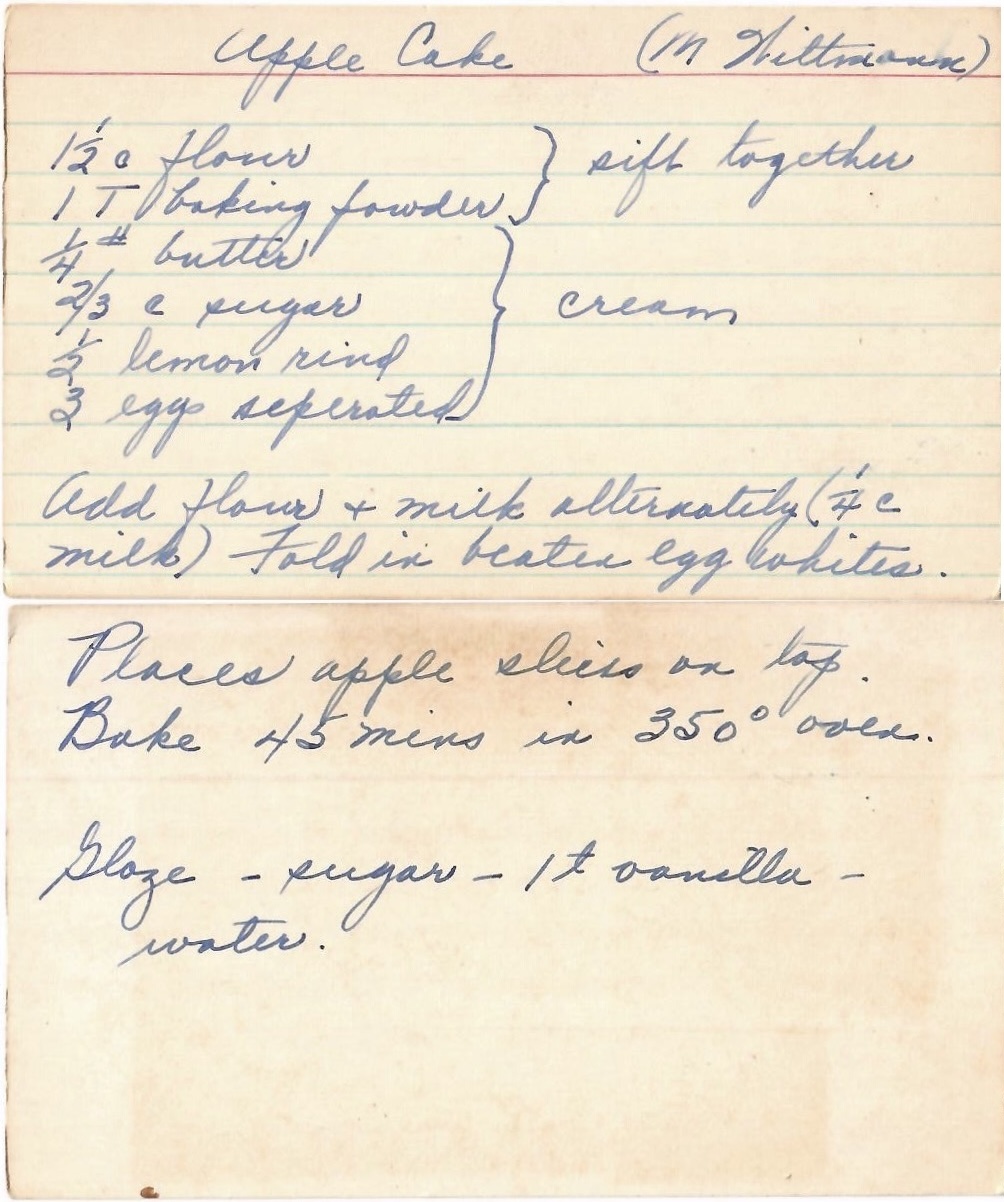
Image context: the cover uses a real mid-century recipe card rather than a terminal screenshot because the article is about the grammar of repeatable commands. just wins when project routines can be read like cards in a box: short names, explicit ingredients, and enough structure that another person can pick one up and run it without reconstructing your shell history.[5]
What the project actually solves
The official README starts with the plainest useful sentence: just is a handy way to save and run project-specific commands.[1] That modesty is not marketing weakness. It is scope discipline. In many repositories, the painful layer is not "how do we compile object files correctly?" but "where did we hide the exact command sequence that boots the dev database, runs the subset test suite, populates .env, and exports the docs site?" Teams often answer that with a pile of package.json scripts, wiki snippets, shell aliases, copied CI fragments, and one senior engineer's memory.
just improves that situation because its discovery model is repository-native. It looks for a justfile in the current directory and then upward through parent directories, which means a developer can run it from a nested service folder without first navigating back to the repo root.[1] It also supports first-argument subdirectory invocation like just foo/build, which gives multi-service or monorepo trees a direct path into submodule command surfaces without inventing another wrapper layer.[1] That sounds small until you live with it. A task runner becomes much more useful once it respects how engineers actually move around a tree.
Why recipes are enough structure for many teams
The strongest feature of just is that it gives routine command surfaces a little structure, but not much more than they need. Recipes can depend on other recipes, accept command-line parameters, and pass arguments into dependencies.[1] That is enough to model real workflow chains: build before test, codegen before package, one target name passed through build and publish, or one default task that fans into a couple of deterministic prerequisites. The project resolves unknown recipes and circular dependencies before anything runs, which means it catches a class of mistakes earlier than a loose pile of shell snippets would.[1]
This is the boundary where just is better than a generic "team commands" doc but less demanding than a full build language. If your repository needs modest sequencing, some parameter passing, and a place to name recurring tasks, recipes are often sufficient. If what you actually need is incremental file rebuild logic keyed to artifact timestamps, remote cache semantics, or a large typed DAG of build outputs, just is intentionally the wrong tool.[1][4] That wrongness is a virtue. A command runner that knows it is not a build system is easier to trust than one that drifts toward being a bad build system by accident.
The operational value sits in dotenv, working-directory control, and scripts
Where just stops being a convenience toy and starts becoming operationally useful is in the settings layer. The README documents .env loading, including ancestor search for .env or custom dotenv filenames, optional overrides, and an explicit dotenv-path mode when you want the file location fixed rather than discovered.[1] That matters because many teams do not fail on the command itself; they fail on the invisible environment assumptions wrapped around the command. Putting dotenv behavior into the same repo-local command surface removes one of the most common sources of "works on my machine" drift.[1]
The working-directory and no-cd settings are just as important.[1] They let a repository say, in versioned text, whether recipes should run relative to the justfile, the invocation directory, or a specific subpath. That is more consequential than it looks. A lot of brittle task glue comes from implicit cd assumptions. just makes them explicit. For multi-language repos, generated assets, docs subtrees, or frontend-in-backend layouts, that explicitness saves real debugging time.
Then there is the script layer. just supports shebang recipes and script recipes, so a justfile can invoke commands line by line when that is enough, or switch into small Python, Node, shell, or Nushell scripts when that is cleaner.[1] The newer script recipe model exists precisely to avoid some of the portability headaches around shebang execution, temporary-file execution, and Windows behavior.[1] This is one of the most practical parts of the project. It means teams do not have to choose between "everything is one unreadable shell one-liner" and "promote every tiny helper into a standalone script file immediately." just gives a middle layer where the command surface can stay near the repo while still escaping into another language when that is the clearer move.
Best-fit boundary
LWN's external read on just is useful because it reinforces the project's deliberate smallness: the tool is valuable precisely because it tries to solve the recurring-command problem instead of swallowing every neighboring problem too.[4] That makes just strongest for repositories that already have a stable runtime, package manager, and build story, but still suffer from scattered operational entrypoints. Good fits include polyglot app repos, docs-plus-code repos, internal tools, data projects with repetitive setup steps, and CI surfaces that should replay the same named routines developers use locally.[1][4]
The weaker fit is also clear. just should not be asked to replace a real environment manager, a software update policy, an artifact build graph, or an infrastructure orchestrator. It can call those systems, standardize how a team reaches them, and keep the command surface legible.[1] It should not impersonate them. If your team starts writing hundred-line recipe bodies that conceal core application logic, or piling deployment state into justfile rules that only one person understands, you are using a command runner to hide complexity instead of expose it.
That is why just is a strong OSS project introduction in 2026. It is not ambitious in the grandiose way. It is ambitious in the maintenance sense. It asks whether the part of engineering work that is often most boring and most fragile, the "how do I actually run the thing?" layer, can be stored in plain sight, parameterized just enough, and kept close to the repository.[1][3] For many teams, that is exactly the right amount of software.
Sources
- casey, just README / manual — project overview, command-runner scope, upward
justfilesearch, dependency and parameter model, dotenv settings, working-directory control, script recipes, and subdirectory invocation. - GitHub API snapshot for
casey/just— repository description, stars, forks, open issues, and recent activity metadata at article creation time. - casey, CHANGELOG — recent 1.49.0 and 1.50.0 release changes including user-defined functions,
--justfile-name,module_path(), and--fmtstabilization. - LWN.net, "The just command runner" — independent overview of the project's scope and design choice to stay narrower than traditional build tooling.
- Wikimedia Commons, "Apple cake recipe card - Michigan circa 1950.jpg" — archival image source for the article cover.