As of 2026-03-30 10:03 UTC, the useful way to read EPA's ethylene oxide sterilizer file is no longer "EPA issued a proposal." The live question is whether the agency can pull back the hardest layer of its 2024 commercial-sterilizer rule before the first existing-source compliance deadline arrives on April 6, 2026.[1][3] EPA's March 17 reconsideration proposal would rescind the 2024 rule's CAA section 112(f)(2) risk-based standards, ease one new-source aeration-room-vent standard from 99.9 percent to 99.6 percent, make CEMS optional rather than mandatory for more facilities, and remove the permanent-total-enclosure compliance requirement.[1] That matters because the 2024 rule was built to push lifetime cancer risk near commercial sterilizers down to or below EPA's 100-in-1 million benchmark while cutting the number of people exposed at 1-in-1 million or higher by about 92 percent.[3][6]
Pressure on the other side of the file is just as real. FDA says about fifty percent of all sterile medical devices in the United States are sterilized with EtO, and it keeps a dedicated shortage-monitoring page because closures or operational disruptions at sterilization facilities can ripple into device availability.[4][5] The article's core claim is therefore an inference from the primary sources: by late March 2026, the policy question is not whether EtO risk exists or whether EtO sterilization matters to the health-care supply chain. Both agencies treat those points as established. The live dispute is which risk the federal government is willing to price first, and on what timetable.[1][4][5][6]
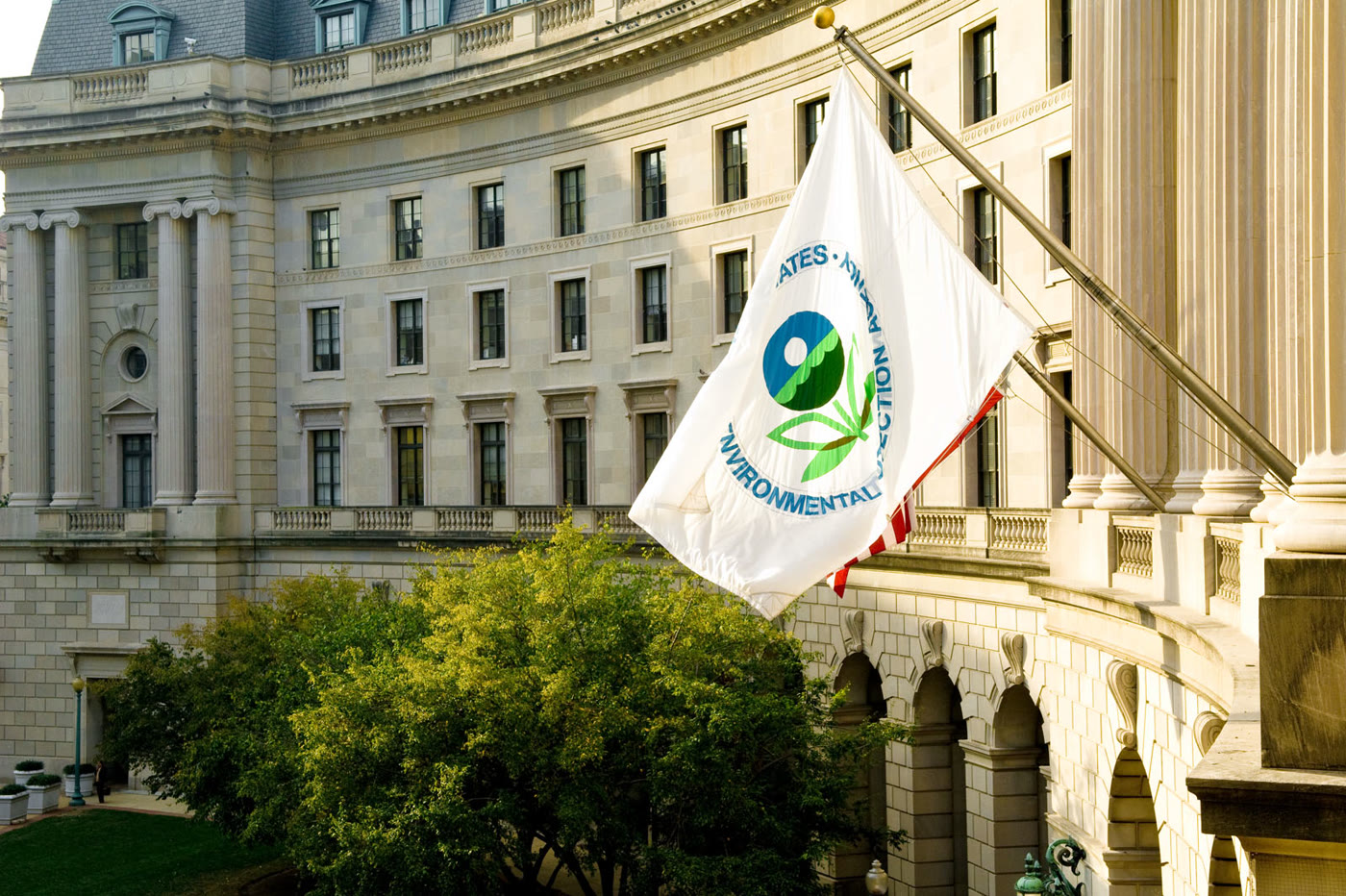
Image context: the header photo shows EPA headquarters in Washington. It is the right image because this story turns on federal rule design and compliance timing, not on a generic operating-room visual or a symbolic smokestack shot.[7]
Facts on the record
- EPA's reconsideration proposal was published on March 17, 2026; a virtual public hearing is set for April 1, and comments close on May 1.[1]
- EPA says the 2024 rule's current compliance deadlines for existing sources are April 6, 2026 for the section 112(f)(2) risk-based standards and April 5, 2027 for the section 112(d) standards.[1]
- The proposal would remove the risk-based layer, lower one new-source ARV standard from 99.9 percent to 99.6 percent, allow facilities to use parametric monitoring and performance testing instead of mandatory CEMS, and rescind the permanent-total-enclosure requirement.[1]
- FDA says EtO remains essential for many complex devices, that about fifty percent of sterile medical devices in the U.S. use EtO sterilization, and that facility closures have already created or threatened shortages in specific device categories.[4][5]
What EPA is actually trying to change
The March proposal is narrower than a slogan like "EPA is undoing EtO controls" suggests. The 2024 final rule had two layers. One was the technology-based layer under section 112(d), with standards and deadlines that still run out to April 5, 2027 for existing sources.[1][3] The other was a stricter risk-based layer under section 112(f)(2), which is the part with the April 6, 2026 compliance cliff for existing sources.[1] EPA is now proposing to erase that second layer and to revise several related implementation choices that were justified by the 2024 risk review.[1]
That distinction matters because the 2024 rule was not written as a symbolic tightening. EPA's final rule said no individual would remain above the agency's 100-in-1 million benchmark after implementation, and that the number of people facing potential lifetime cancer risk at or above 1-in-1 million would fall by about 92 percent.[3][6] The current proposal does not say EtO suddenly became benign. Its legal theory is different: EPA now argues that the 2024 rule went too far by conducting what it calls an unauthorized second residual-risk review and then using that review to impose the section 112(f)(2) standards, mandatory CEMS for more facilities, and the permanent-total-enclosure compliance measure.[1]
EPA's own March press release makes clear how it wants the story framed. The agency says the proposal is meant to "safeguard supply of life-saving medical equipment" by revisiting the 2024 standards for commercial sterilizers.[2] FDA's pages explain why that argument has traction: many devices cannot simply switch sterilization methods overnight, and FDA has spent years managing the real-world fallout when EtO facilities close or slow down.[4][5]
Why timing is the real news hook
The timing is what turns this from a technical Clean Air Act docket into a live operating story. The proposal was published less than three weeks before the first existing-source deadline in the 2024 rule.[1] That means sterilization companies, medical-device manufacturers, hospitals, and community groups are commenting on a rule that is still live while EPA is trying to redesign it. A proposal is not a final repeal. Until EPA finalizes changes, the existing compliance clock remains the governing clock.[1][3]
That also means the story is not a simple full rollback. Even if EPA finalized the proposal exactly as written, the section 112(d) standards would still remain, and EPA says sources would continue to face the April 5, 2027 deadline for those standards.[1] The real policy split is narrower and harder: should the federal government keep the 2024 rule's risk-based layer and the related monitoring logic, or should it preserve the technology-based floor while relaxing the part EPA now says exceeded its authority?[1][3]
The most useful way to describe this, then, is not "EPA chose supply chain over health" as a settled fact. That would be too absolute. The cleaner reading is that EPA has reopened the balance between the two, explicitly using supply-chain resilience as a reason to revisit the more stringent part of the 2024 rule, while FDA's own pages show why that supply argument cannot be dismissed as rhetoric.[2][4][5] That balance point is the article's inference from the sources, not a verbatim agency statement.
Decision impact by horizon
Next 24 hours: the immediate gate is procedural. March 30 is the last day to pre-register to speak at EPA's April 1 virtual hearing, so companies, hospitals, trade groups, and community organizations need to decide whether they want their evidence on costs, shortages, exposure, or statutory authority in the live record now.[1]
Next 7 days: the critical discipline is not to mistake a proposal for a suspended rule. Operators still need an answer for the April 6 risk-based compliance date unless and until EPA actually changes the rule or another legal event intervenes.[1][3] Device manufacturers also need to know whether a contract sterilizer's contingency plan is real, because FDA's own shortage history shows how quickly a facility disruption can become a product-availability issue.[5]
Next 30 days: the record closes on May 1.[1] The watch item is what kind of evidence dominates the file: community-risk evidence defending the 2024 structure, legal arguments about section 112 authority, or supply-chain evidence from device makers and hospitals showing what operational disruption would mean in practice.[1][2][4][5]
Scenario map
Base case: EPA moves toward a narrower final action that removes the section 112(f)(2) risk-based layer but leaves the 2027 technology-based standards intact, turning the issue from "whether sterilizers must control EtO" into "how far beyond the technology floor EPA can push them."[1][3]
Upside case: commenters produce enough operational detail that EPA, FDA, and industry can preserve device availability while still locking in a meaningful emissions-cut path, reducing the chance of either abrupt shortages or a total unwind of the 2024 framework.[1][2][4][5]
Downside case: the federal record fills with competing abstractions rather than plant-level evidence, leaving facilities to spend against one compliance theory while regulators argue over another. In that path, communities still face uncertainty about exposure while device makers still face uncertainty about sterilization capacity.[1][5][6]
Action checklist
- Do not treat the March proposal as a completed rollback; map which obligations remain live under the 2024 rule and which ones EPA is only proposing to change.[1][3]
- Decide whether to enter the record before May 1 and be explicit about the evidence lane: ambient risk, statutory authority, capital cost, monitoring burden, or device-shortage exposure.[1][2]
- Audit concentration risk in EtO sterilization vendors and identify whether FDA's site-change and transition pathways are available for the affected device classes.[4][5]
- Separate the April 6, 2026 question from the April 5, 2027 question. Even a full EPA win on this proposal would not erase the later technology-based standards.[1]
- Invalidate the current operating memo if EPA finalizes the reconsideration early, extends a deadline, or a court action changes the live compliance posture.
The short read is that EPA's EtO file is no longer a backward-looking debate over what happened in 2024. It is a live argument over whether the government will keep the part of the rule designed to drive risk down fastest, or step back to a lower but still significant control floor in order to reduce supply-chain strain. By March 30, 2026, that is a real compliance question, not a rhetorical one.[1][4][5][6]
Sources
- Federal Register, "National Emission Standards for Hazardous Air Pollutants: Ethylene Oxide Emissions Standards for Sterilization Facilities Residual Risk and Technology Review Reconsideration" (published March 17, 2026; hearing April 1; comments due May 1).
- U.S. Environmental Protection Agency, "EPA releases proposal for commercial sterilizers to safeguard supply of life-saving medical equipment" (March 13, 2026).
- Federal Register, "National Emission Standards for Hazardous Air Pollutants: Ethylene Oxide Emissions Standards for Sterilization Facilities and Fumigation Operations" final rule (published April 5, 2024).
- U.S. Food and Drug Administration, "Sterilization for Medical Devices" (updated May 14, 2025).
- U.S. Food and Drug Administration, "Ethylene Oxide Sterilization Facility Updates".
- U.S. Environmental Protection Agency, "Quick Facts: Final Amendments to Air Toxics Standards for Ethylene Oxide Commercial Sterilization Facilities" fact sheet (March 2024).
- Wikimedia Commons, "Environmental Protection Agency building (15011151177).jpg" (cover image source).