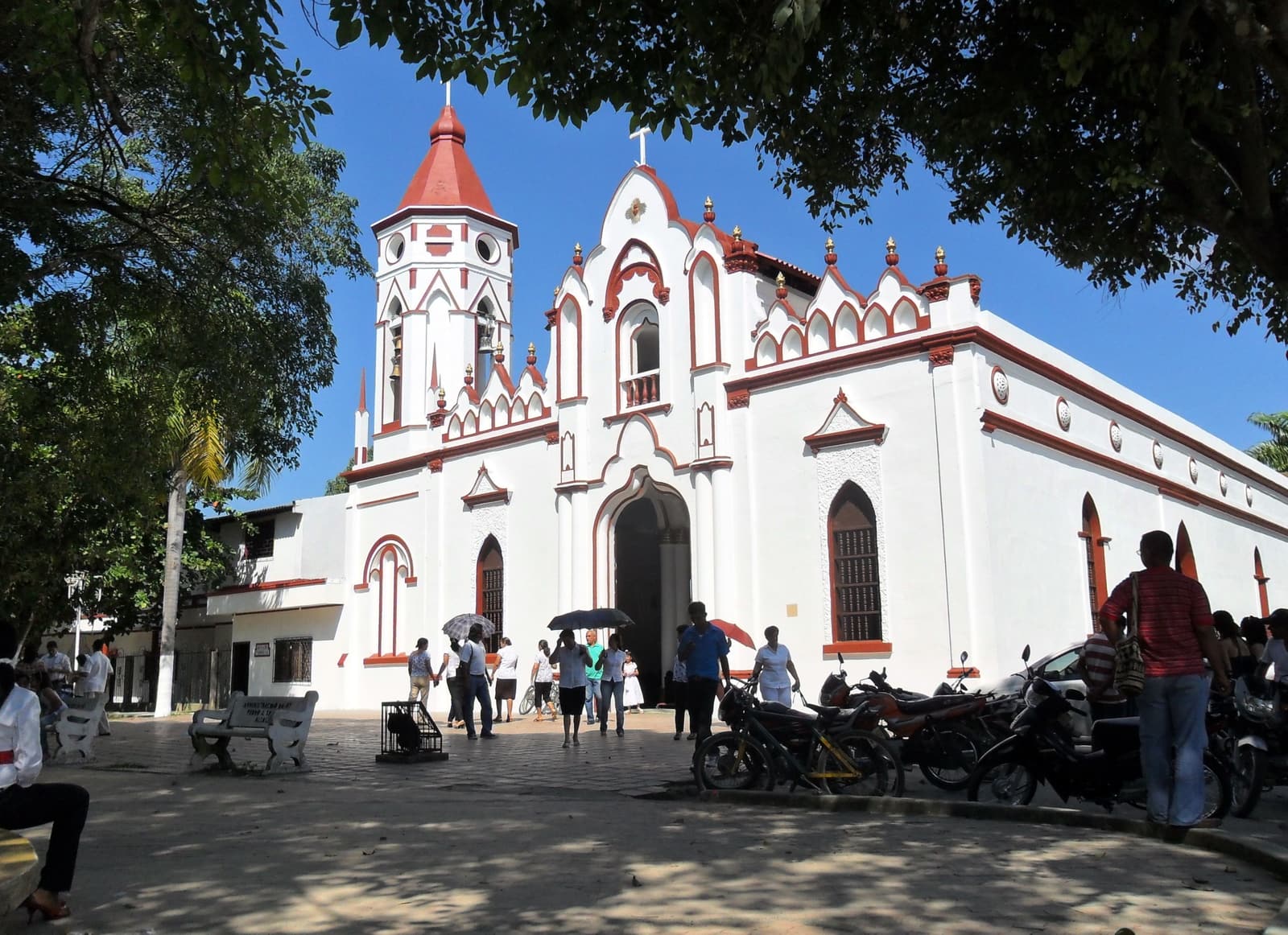
The easiest way to get lost in One Hundred Years of Solitude is to treat its symbols as decorative magic. García Márquez is doing something sharper: each recurring object behaves like an instrument panel for Macondo’s social system.
If you read the novel as a motif map instead of a family-tree puzzle, the book becomes much easier to navigate. The symbols are not “extras.” They are state indicators: what the town can still remember, what it wants, and what it refuses to learn.[1][2]
1) Ice: the first image of wonder, and the first signal of asymmetry
The novel’s famous opening—Colonel Aureliano Buendía remembering “that distant afternoon when his father took him to discover ice”—frames memory as a return to technological astonishment.[1][3] Ice is not just a sensory image; it marks the first encounter with a world that arrives from elsewhere and reorganizes local expectations.
In motif terms, ice is the prototype event: outside novelty enters Macondo, generates desire, and starts an uneven cycle of adoption without institutional capacity. Later motifs (rail, banana enclave, industrial violence) replay this structure at larger scale.[1][3]
2) Repeated names: genealogy as loop, not lineage
The Buendía names are often read as reader-hostile complexity. The pattern is more functional than that. Repetition compresses people into behavioral templates: José Arcadios tend toward force and impulse; Aurelianos tend toward solitude, abstraction, and fatalism.[1][3]
That naming logic performs two jobs at once:
- it stabilizes memory inside the text (you recognize a pattern even when chronology jumps), and
- it demonstrates historical non-learning (new generations inherit role-shapes before they make choices).
This is why the novel feels cyclical even when events differ. The naming system is a built-in recurrence engine.
3) Yellow butterflies: desire made publicly legible
When Mauricio Babilonia appears with yellow butterflies, private attraction becomes socially visible. The motif externalizes what characters try to hide: longing leaks into the environment and can be tracked by others.[3][4]
In practical reading terms, the butterflies are a warning light: intimacy in Macondo is never purely private, because social surveillance is embedded in domestic life, clerical authority, and class discipline. The symbol keeps pulling eros and control into the same frame.
4) Labels during the insomnia plague: archive without understanding
The insomnia sequence is the novel’s clearest memory model. As forgetting spreads, inhabitants label objects to preserve names and uses. The gesture is archival, almost bureaucratic, and temporarily effective.[4][5]
But García Márquez pushes one step further: writing labels can preserve reference while practical meaning still decays. You may still read “clock” and fail to inhabit time; read “cow” and fail to sustain a way of life. Later clinical-literary readings of the passage emphasize exactly this split between lexical recall and functional knowledge.[4][5]
This motif is the book’s structural thesis about modern memory systems: metadata can survive after lived competence collapses.
5) Rain and the banana catastrophe: duration as political anesthesia
The long rain after the banana-company violence is not weather realism plus exaggeration; it is temporal design. Prolonged duration blurs accountability and turns rupture into atmosphere. What was an event becomes background.[3][6]
Placed next to the massacre sequence, the rain motif performs historical laundering: once a shock is stretched across months and years, institutions can narrate it as confusion, rumor, or inevitable decline. The novel’s temporal excess is therefore interpretive, not ornamental.[3][6]
6) Melquíades’s parchments: history as something readable only at the end
The parchments are often treated as a final twist. As a motif, they complete the map: the town’s history is fully encoded but not operationally usable until the system is already collapsing.[1][3]
That ending logic has two consequences:
- Knowledge arrives too late to govern action.
- Interpretation itself becomes part of fate—the act of deciphering coincides with terminal closure.
Read this way, the novel is less a fantasy chronicle than a theory of delayed intelligibility.
Why this motif map still feels current
Recent adaptation discourse keeps returning to the same challenge: how to preserve the novel’s simultaneous intimacy and structural scale on screen.[6][7] That challenge exists because the book’s power is not only plot or language; it is the way symbols coordinate memory, desire, violence, and historical repetition in one continuous circuit.
For rereading, one practical method works well: track each motif as a system variable, then ask when it shifts role—from wonder to threat, from private sign to public evidence, from archive to ruin. The novel’s “magic” becomes legible as governance, and its sadness becomes legible as design.
Sources
- Encyclopaedia Britannica — One Hundred Years of Solitude overview and publication context
- Nobel Prize — Gabriel García Márquez, Nobel Lecture (1982), “The Solitude of Latin America”
- Robert Kiely, The New York Times (1970) — contemporary review discussing memory, prophecy, insomnia, and rain motifs
- Javier DeFelipe-Mimbrera et al., Brain (2011) — “The quicksand of forgetfulness”: semantic dementia reading of the insomnia-plague sequence
- Lorena M. Garcia et al., The Permanente Journal (2020) — “The Insomnia Plague in Fictional Macondo”: clinical/literary analysis of sleep-memory breakdown
- Aramide Tinubu, Variety (2024) — review of Netflix adaptation and structure-to-screen challenges
- Netflix Tudum — series adaptation brief and release framing
- Wikimedia Commons — Aracataca church photo (author-context location)