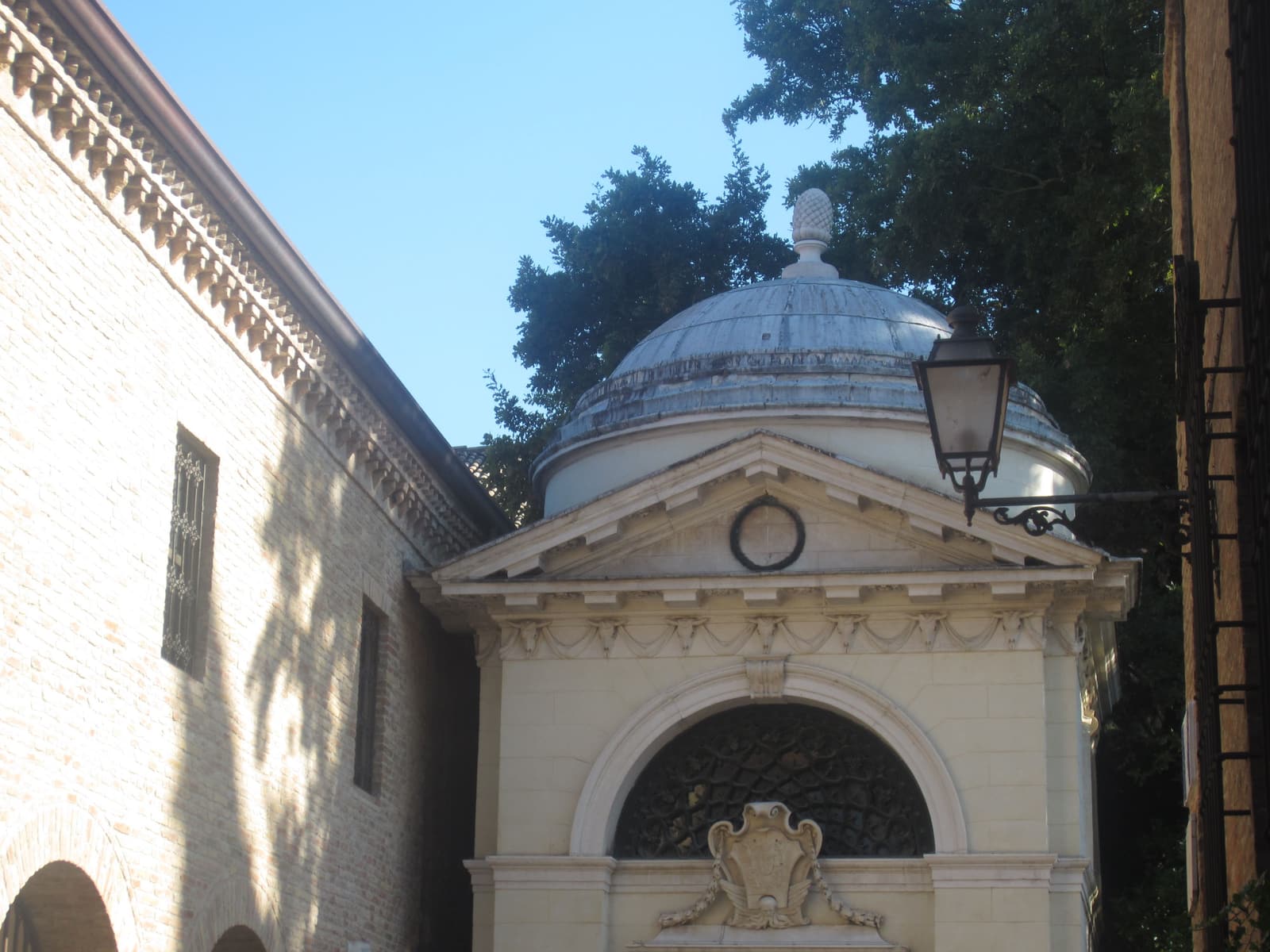
Most people do not quit The Divine Comedy because it is “too difficult.” They quit because they start with no operating system: wrong translation fit, too much commentary too early, and no pacing discipline.
This guide gives you a finishable entry path.
First, know the scale you are signing up for
Dante’s poem (c. 1308–1321) is built as a 100-canto architecture: Inferno (34), Purgatorio (33), Paradiso (33).[1] That structure is your friend. It means you can read in measurable blocks instead of “one endless classic.”
At line level, you are entering a poem that opens with disorientation—“Midway upon the journey of our life / I found myself within a forest dark...”[2]—and later asks for radically different reading muscles, from political invective to theology and metaphysics.[3][4]
Treat it as a staged climb, not a single sprint.
Choose your translation lane before Canto I
A lot of first reads fail at this exact decision.
Lane A — Narrative-first (finish rate focus)
Choose a modern, fluent translation and prioritize forward motion over lexical precision. Your goal is to complete all three cantiche once.
Lane B — Form-aware (craft focus)
Use a translation with stronger attention to poetic texture, then read slower with shorter daily blocks. Your goal is to feel shifts in register, not just “understand plot events.”
Lane C — Study-first (commentary focus)
Pair translation with a commentary platform from day one (e.g., Dartmouth Dante Project, Princeton Dante Project, Danteworlds). Your goal is depth, but this lane has the highest dropout risk if you over-annotate.[4][5][6]
If you are undecided, pick Lane A for Inferno, then upgrade lanes in Purgatorio.
Use a pace that beats ego
The highest-odds completion schedule for a working adult is:
- 5 cantos/week (about 20–21 weeks total for 100 cantos, including one catch-up week)
- 1 rest/review day each week
- One 30–45 minute session per canto for Inferno; expect longer in Paradiso
Why this works: it keeps continuity without forcing daily heroic effort. If you try 10–14 cantos/week from zero, you usually stop around late Inferno or early Purgatorio.
A practical sequence:
- Weeks 1–7: Inferno (34 cantos)
- Weeks 8–14: Purgatorio (33 cantos)
- Weeks 15–21: Paradiso (33 cantos + one catch-up week)
Cap annotation load, or commentary will eat the poem
For each canto, use a strict 2-source maximum:
- One text/commentary hub (DDP or Princeton)
- One contextual support source (course lecture or historical overview)
If you open five tabs per canto, you are no longer reading Dante; you are managing browser state.
A useful rule: do your first pass straight through, then spend at most 10 minutes checking notes for the same canto.[5][6]
Read by “movement units,” not by isolated famous lines
Yes, you will meet canonical lines like “All hope abandon, ye who enter in!”[2] But retention improves when you map each canto to a movement:
- Entry movement: where Dante and guide are positioned
- Encounter movement: who speaks and what moral logic appears
- Exit movement: what changes in direction, rank, or understanding
This prevents the common beginner error: collecting quotes while missing the poem’s sequencing intelligence.
Where beginners usually stall—and how to avoid it
Stall point 1: Mid-Inferno fatigue
Cause: punishment taxonomy starts feeling repetitive.
Fix: track voice differences between encounters (tone, rhetoric, self-justification), not only sin categories.
Stall point 2: Purgatorio pacing drop
Cause: readers expect Inferno-level spectacle every canto.
Fix: switch expectation from shock to process; Purgatorio is engineered around moral retraining tempo.[3][6]
Stall point 3: Paradiso abstraction panic
Cause: theology feels remote from narrative stakes.
Fix: keep one recurring anchor question: “What does this canto say about freedom, desire, and alignment?” SEP and course material help here.[3][7]
A minimal note system that survives 100 cantos
For each canto, record only four lines:
- Who is centered
- What claim about justice/desire is tested
- One image you can still see tomorrow
- One unresolved question
At the end of each cantica, write a one-page synthesis. That gives you three durable artifacts instead of 100 scattered highlights.
The payoff model
You are not reading The Divine Comedy to “decode references” like an exam.
You are reading it to train multi-level attention: narrative movement, ethical argument, and symbolic architecture in one frame. The line often translated as “And his will is our peace” lands differently after you have done the full ascent than it ever can in quotation isolation.[2]
Finish first. Optimize sophistication on pass two.
Sources
- Encyclopaedia Britannica, “The Divine Comedy” (date range, structure, overview)
- Dante Alighieri, Divine Comedy, Longfellow’s Translation, Complete (Project Gutenberg ebook 1004; quoted lines)
- Open Yale Courses, ITAL 310: Dante in Translation (course framing and recommended scholarship)
- Dartmouth Dante Project (searchable commentary corpus overview)
- Princeton Dante Project (text-centered reading + notes infrastructure)
- Danteworlds (realm/canto navigation and pedagogical reading support)
- Stanford Encyclopedia of Philosophy, “Dante Alighieri” (philosophical context for reading stakes)
- Wikimedia Commons source page for article image (Dante’s tomb, Ravenna)