A merchant pricing an order around the card-processing fee can miss a larger demand on cash: the rolling reserve. Its first release date brings back older receipts, but continuing sales can leave just as much money unavailable—and growth can increase the amount tied up.[1]
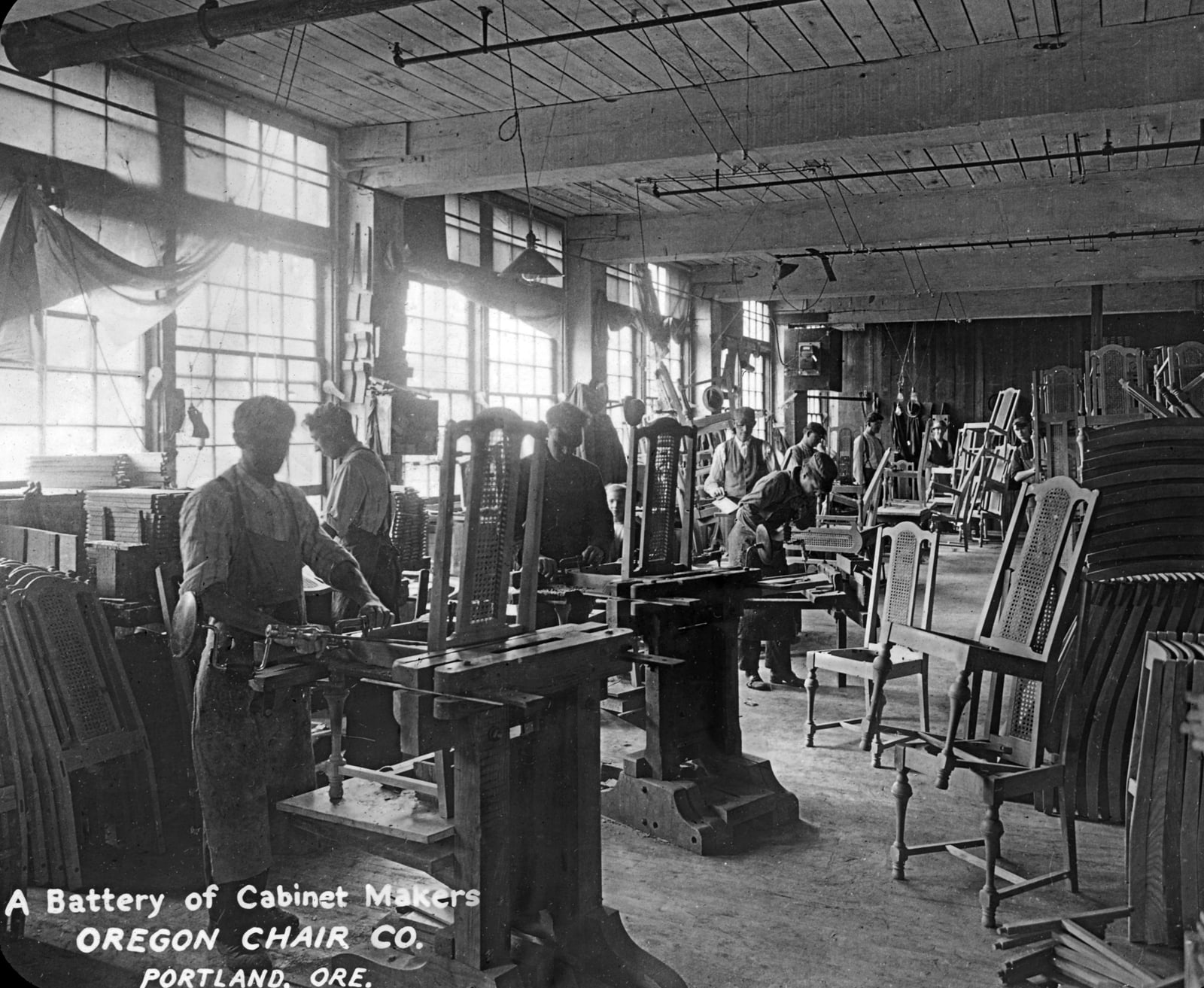
Imagine a furniture maker taking card payments for orders that still need timber, labor and delivery. The customer has paid; the workshop has work to finance. Square explicitly identifies advance payments and custom-made furniture among the circumstances that can create reserve risk.[2] The gap between collecting an order and completing it matters to both the seller and the payment provider.
A payment leaves a promise behind
A card payment does not extinguish every claim connected with the purchase. If the goods never arrive, a dispute can send money back toward the buyer. The Office of the Comptroller of the Currency describes merchant processing as a source of contingent liabilities for acquiring banks, and identifies holdback reserves as a way to limit credit exposure when delivery lies in the future.[3]
That makes the reserve part of the financing of payment acceptance. The seller wants the customer's money to buy materials. The provider wants funds available if the seller fails to deliver. Holding some receipts back protects against that second possibility while making the first job harder.
The terms determine the size and shape of the burden. PayPal distinguishes a rolling reserve, which releases each held amount on its own schedule, from a minimum reserve that accumulates toward a specified balance. It can also move existing available funds into a reserve immediately.[1] Those arrangements cannot be forecast from the word “reserve” alone. A percentage, a holding period and any initial transfer belong in the cash forecast alongside the processing fee.
Why the first release does not empty the reserve
Consider a deliberately simplified rolling arrangement: 10% of eligible daily receipts is held for 90 days. PayPal uses those terms in its example, with the first day's withheld funds released on day 91.[1] They are illustrative terms, not a standard offer to every merchant.
Assume the furniture seller collects $10,000 every day, starting with no reserve. Ignore processing fees, taxes, refunds, disputes, bank-transfer delays and changes to the agreement. All receipts are subject to the same hold. By the end of the initial holding period, the reserve has accumulated:
$10,000 × 10% × 90 = $90,000.
This is an author calculation, not a reported merchant balance. The withheld cash has not disappeared from the business's economic interest, but it cannot pay today's timber invoice. WooPayments' documentation makes the underlying distinction explicit: a reserve is a temporary withholding rather than a fee or fine.[4]
When releases begin, the oldest withheld amount becomes available. An equal amount from the latest day's sales enters the reserve. With steady receipts and unchanged terms, the balance stays at roughly $90,000. Money moves through it; the merchant's continuing funding requirement remains.
That is the easily missed difference between an amount becoming payable and the whole reserve being returned. Once the arrangement reaches this steady state, daily releases offset daily withholding, so the reserve stops absorbing additional cash. Yet the business has still had to finance the initial buildup. Its suppliers were never obliged to wait for that buildup to finish.
Growth replenishes the hold faster
Now suppose daily receipts double and stay there. The reserve percentage and duration remain unchanged. For a while, new withholding reflects the larger business while releases still reflect the smaller one. After the old sales have worked through the holding period, the reserve approaches $180,000.
The extra cash requirement arises even if every order is delivered successfully. In this example, growing transaction volume alone enlarges the reserve. A better sales month can therefore coincide with more cash committed to payment security, just when the workshop needs to purchase more wood and schedule more labor.
A shrinking business experiences the reverse arithmetic. Older, larger receipts can generate releases exceeding withholding on newer, smaller receipts. That can temporarily support the bank balance while orders weaken. The resulting cash inflow says something about past sales becoming available; it does not demonstrate that current trading has recovered.
Actual payouts need another reconciliation. WooPayments explains that a refund or dispute can consume the funds reserved from the affected sale, with the remainder funded elsewhere.[4] Square also distinguishes release into an available balance from the subsequent bank transfer under the merchant's transfer settings.[2] A scheduled reserve release is consequently neither an unconditional windfall nor necessarily a same-day bank receipt.
What would make the burden unwind
The strongest counterweight is that a predictable reserve can be manageable. At stable sales, scheduled releases eventually match new withholding. A well-funded merchant may absorb the opening requirement and continue trading without disruption. The economic cost is the cost of financing unavailable cash, together with any actual losses—not an assumption that the entire reserved balance is an expense.
For a merchant operating under a rolling arrangement, the cash forecast should retain a funded reserve after releases begin. The concrete falsifier of that forecast is a provider notice ending new withholding and committing to release the remaining balance while sales continue. A first release by itself is insufficient evidence.
Three events will distinguish a stable funding requirement from a worsening squeeze or a genuine unwind:
- The first scheduled release: reconcile the amount becoming available, the new withholding and the eventual bank receipt. A release alone does not establish that the reserve balance fell.[1][2]
- The close of the next full holding period after a sales increase: compare the reserve with the actual receipts subject to the hold. In the simplified example, a larger balance follows mechanically from a larger business; unexplained differences require checking deductions and terms.
- The next reserve review or amendment notice: inspect changes to the percentage, duration and any transfer from existing funds. Square reviews processing patterns, disputes and sale documentation; WooPayments warns that the stated reserve timeline can be extended after review.[2][4]
Sources
- PayPal Editorial Staff, “The why and what of account reserves,” November 17, 2025 — rolling, minimum and jumpstart reserves; illustrative release timing and account-specific terms.
- Square Support Center, “Manage payment reserves with Square,” US edition — advance-payment and custom-furniture risk, reserve releases, transfer settings and account reviews.
- Office of the Comptroller of the Currency, Comptroller's Handbook: Merchant Processing, version 1.0, printed pages 1 and 29 — contingent liabilities and reserve protection for future or delayed delivery.
- WooCommerce, “WooPayments: Reserves” — temporary withholding, the treatment of refunds and disputes, balance transfers and reserve review.
- Oregon State University Special Collections & Archives, “Cabinet makers at the Oregon Chair Company,” Visual Instruction Department Lantern Slides, P217:set035:011, via Wikimedia Commons — archival photograph and collection provenance.