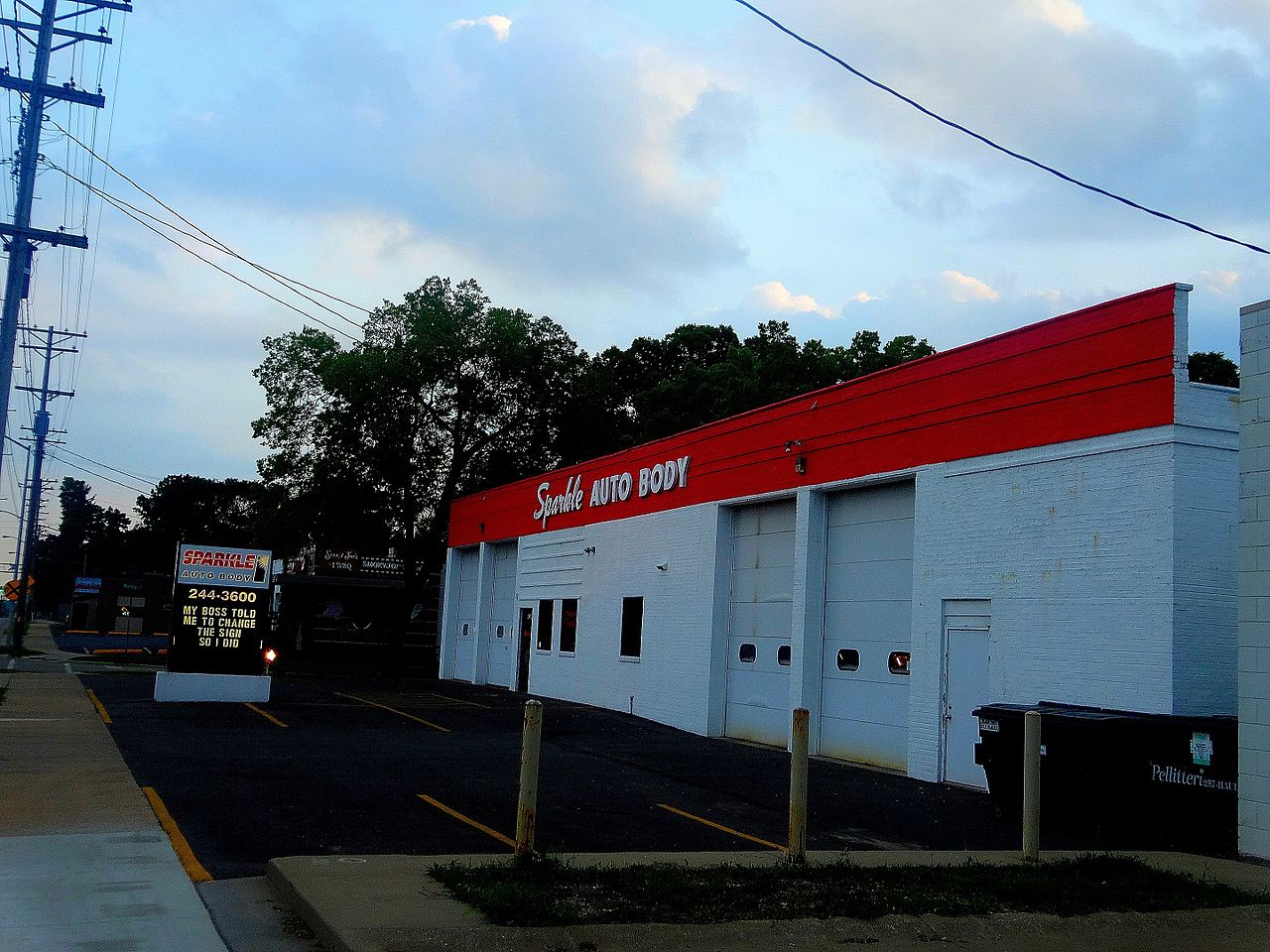
U.S. auto insurers have already won the easy part of the 2026 trade. After two years of painful premium increases, reported margins now look much cleaner: Allstate posted an 81.9 recorded auto combined ratio in the first quarter, Progressive reported an 86.4 companywide combined ratio for the quarter ended March 31, and the May CPI report finally showed motor-vehicle insurance prices falling 1.7% month over month.[1][2][3] Priced is that the rate cycle worked. New is that the next leg is less about getting more price and more about proving the claims bill has stopped outrunning the policy book.
That makes personal auto a scenario trade rather than a straight victory lap. The bull case is not "premiums keep rising forever." It is that insurers can give consumers some relief, keep shopping behavior from exploding, and still hold underwriting margins because older accident years are developing better than feared. The bear case is that reserve releases flatter 2026 earnings just as repair complexity, bodily injury costs, and consumer affordability pressure start to reassert themselves.[3][4][5]
What Has Already Improved
The industry earned the right to talk about relief because the underwriting math changed. Allstate's first-quarter auto result is the cleanest example: recorded auto combined ratio improved by 9.4 points from a year earlier to 81.9, while underlying auto combined ratio improved 1.7 points to 89.5.[3] The gap matters. The recorded number benefited heavily from prior-year reserve releases; the underlying number still improved, but not by the same dramatic amount.
Progressive shows the other side of the cycle. Its March 2026 release reported a 90.9 combined ratio for March and 86.4 for the quarter, nearly flat versus 86.0 in the prior-year quarter.[2] That is still attractive underwriting, but it is not a free acceleration. The read-through is that the best operators can grow and remain profitable, while weaker operators may find that the margin repair is already moving from rate action into selection, claims handling, and renewal discipline.
Consumers are also seeing the first visible break in the inflation line. BLS said the motor-vehicle insurance index declined 1.7% in May after a 0.1% rise in April, even as headline CPI rose 4.2% over the prior 12 months.[1] One monthly decline is not a trend, but it changes the market question. If premium inflation has peaked, the stocks need less help from price and more help from claims normalization.
The Mechanism
Auto insurance margins are a timing machine. Rate filings and renewals adjust gradually; claims costs arrive immediately; reserve estimates get revised later. That lag is why the line can look terrible when repair inflation is rising and suddenly excellent when earned premiums catch up.
The present setup has three moving parts. First, earned premium is still carrying the benefit of prior rate increases. Second, insurers are releasing reserves where older accident years are developing better than expected. Allstate lowered prior-year reserve liabilities by $838 million, improving the current-quarter auto combined ratio by 8.8 points.[3] Third, the claims mix is changing underneath the headline. CCC's 2026 Crash Course frames the repair ecosystem as one where affordability pressure, fewer low-severity claims, higher-severity claims, aging vehicles, vehicle technology, diagnostics, and calibrations all compound complexity.[4]
That is why "lower premium inflation" is not automatically bad for insurers or good for consumers. If lower rates come from better loss experience, the margin can hold. If lower rates come from competition before claim severity is tamed, the margin compresses. The distinction is especially important because LexisNexis reported that more than 47% of policies in force were shopped at least once in the prior 12 months by Q4 2025, while 56% of consumers said insurance had become a key factor in vehicle purchase decisions.[5] Affordability has become a competitive variable, not only a regulatory one.
Base Case: Margins Hold, But The Multiple Stops Expanding
The base case is a controlled cool-down. Premium increases slow, policy shopping remains high but manageable, and carriers keep enough segmentation advantage to avoid a race to the bottom. In this branch, reported combined ratios stay below 90 for the better operators, but investors stop paying for additional reserve-release upside because the quality of earnings becomes more important than the level.
The numbers fit that interpretation. Allstate's 81.9 recorded auto combined ratio is excellent, but the 89.5 underlying ratio is the more repeatable figure.[3] Progressive's 86.4 first-quarter companywide combined ratio is strong, but the year-over-year change was only 0.4 points worse, not a dramatic new improvement.[2] BLS's 1.7% May decline in the motor-vehicle insurance index suggests pricing pressure may be easing just as underwriting gains become more normalized.[1]
This is still constructive. It says the rate cycle worked, the consumer bill can flatten, and the carriers with better data, repair networks, telematics, and claims discipline can keep earning good returns. It just does not support valuing every auto-insurance dollar as if reserve releases are recurring operating leverage.
Upside Case: Severity Falls Faster Than Price
The upside case is that the industry gets a rare soft landing: premiums stop shocking consumers, but claim costs cool faster than rates. That would let carriers defend margins while improving retention and new-business growth. Allstate's first quarter hinted at that possibility because auto policies in force grew 2.6%, new business rose 9.4%, and average premiums no longer needed to carry the entire story.[3]
For this branch to work, severity has to improve in the physical world. Total-loss pressure, labor hours, parts inflation, calibration costs, rental days, and bodily injury settlements all need to stop absorbing the rate benefit. CCC's warning that lower-severity claims are becoming more discretionary is important here: fewer small claims can mechanically improve reported frequency, but the remaining pool may skew toward expensive accidents and injuries.[4] A cleaner mix would be one where both frequency and severity stabilize, not one where consumers quietly stop filing small claims because deductibles and premiums make the system feel too costly.
The upside also depends on competition staying rational. If high shopping rates pull carriers into aggressive new-business pricing too early, margin relief can disappear into customer acquisition. If carriers use better rating plans and claims data to select risk more precisely, the sector can keep the underwriting gains and rebuild trust with less painful premium growth.[5]
Downside Case: Reserve Releases Hide A New Severity Layer
The downside case is not that auto insurers immediately return to the 2022 loss cycle. It is subtler: recorded results stay strong for a few quarters because old reserves are released, while current accident-year severity stops improving. That would make the earnings quality worse before the headline numbers reveal it.
Allstate's quarter shows the issue clearly. The $838 million prior-year reserve release was large enough to improve the auto combined ratio by 8.8 points.[3] That is real capital discipline if the old estimates were too conservative. But it is not the same thing as a permanently lower current claim cost. If bodily injury severity keeps rising, if vehicle technology pushes repair bills higher, or if older vehicles create more severe repair-versus-total-loss decisions, the market will have to strip out the reserve benefit and focus on the underlying ratio.[4][5]
This is the biggest risk to the relief trade. Consumers want lower premiums; regulators prefer affordability; competitors want growth; shareholders want the combined ratio to stay in the 80s. Those four goals can coexist only if claim costs cooperate.
Falsifier
The constructive view is wrong if premium inflation turns down while underlying auto combined ratios move back above the low-90s for the better operators. The concrete falsifier is this: the next two quarters show shrinking rate benefit, continued high shopping, fewer reserve releases, and fresh commentary about bodily injury or repair severity, with no offset from frequency improvement.[1][3][4][5]
That would mean the market mistook a catch-up rate cycle for a durable underwriting reset. It would not make the insurers uninvestable. It would make the auto line cyclical again, and it would push the valuation conversation back toward book value, reserve adequacy, and capital return rather than growth.
Watchlist
- June and July CPI insurance prints: one monthly decline is useful, but the trend matters more than May's 1.7% move.[1]
- Underlying auto combined ratios: recorded ratios need to be separated from reserve releases, especially at carriers with large prior-year adjustments.[3]
- Policy shopping and retention: LexisNexis's 47% shopping marker is the pressure gauge for whether consumers accept the new premium base.[5]
- Repair-severity commentary: watch for total-loss frequency, calibration expense, parts availability, rental duration, and bodily injury severity in insurer and claims-platform updates.[4]
Auto insurers have earned a better setup than they had two years ago. The rate cycle has caught up, the best operators are writing profitable business, and consumers are finally seeing signs that the premium line can cool.[1][2][3] The discipline now is to avoid confusing relief with permanence. The next rerating belongs to carriers that can prove repair complexity is manageable after the reserve-release tailwind fades.
Sources
- U.S. Bureau of Labor Statistics, "Consumer Price Index - May 2026" (June 10, 2026) - CPI context and motor-vehicle insurance index movement.
- Progressive, "Progressive Reports March 2026 Results" (April 15, 2026) - March and first-quarter 2026 combined-ratio data.
- Allstate, "Allstate Reports Strong Earnings and Increased Growth" (April 30, 2026) - auto combined ratio, reserve release, policies in force, and new-business figures.
- CCC Intelligent Solutions, Crash Course 2026: Complexity Compounds - claims-severity, repair-complexity, affordability, and collision-repair ecosystem context.
- LexisNexis Risk Solutions, "Distracted Driving, Policy Shopping, Bodily Injury Redefine Auto Insurance Risk" (May 19, 2026) - policy shopping, vehicle mix, consumer behavior, and bodily-injury trend markers.
- Wikimedia Commons, "Sparkle Auto Body - panoramio.jpg" by Corey Coyle - real auto-body repair shop photograph used as article image.